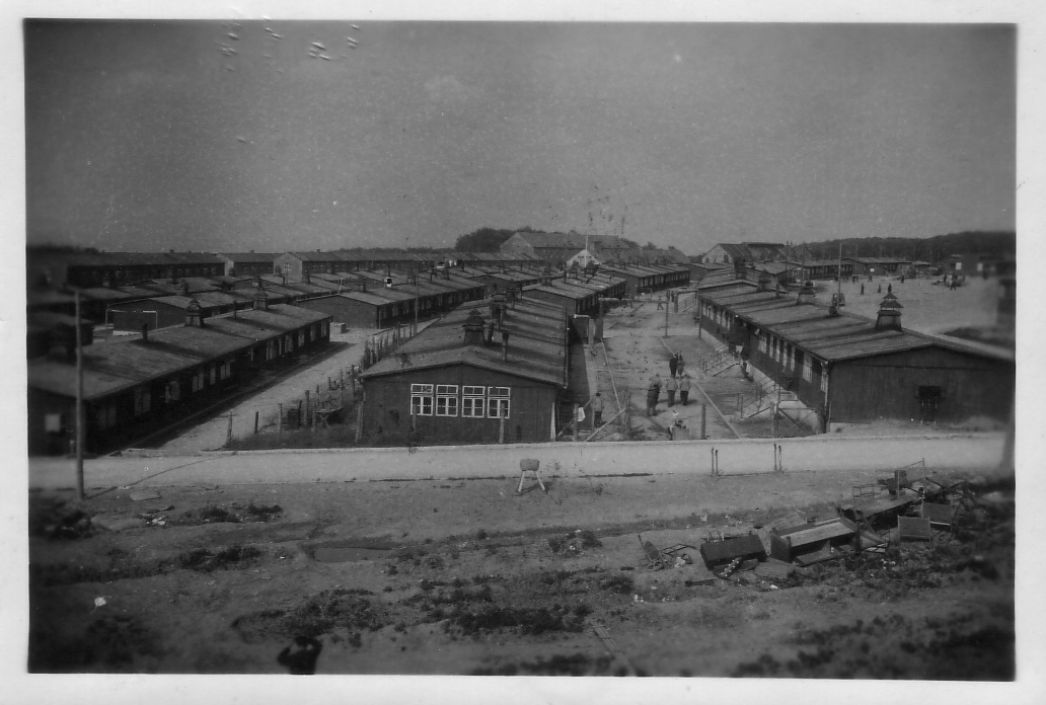
In October 1941, the SS set up a separate prisoners-of-war camp at the western edge of the inmates’ camp and fenced it in with barbed wire. The Soviet prisoners were not immediately put to work performing forced labour as originally planned. Instead, the SS isolated them and reduced their rations. Within a few months, one in three of them had died of disease and hunger.
Starting in 1942, the prisoners of war were put to work in the quarry or on the construction of the Buchenwald railway line. The SS also hired them out to companies in the vicinity.
The Gestapo committed a second group of prisoners of war to the camp as ‘political prisoners’. They had fled from POW camps or were suspected of sabotage. Their centre was block 30, a stone barrack.
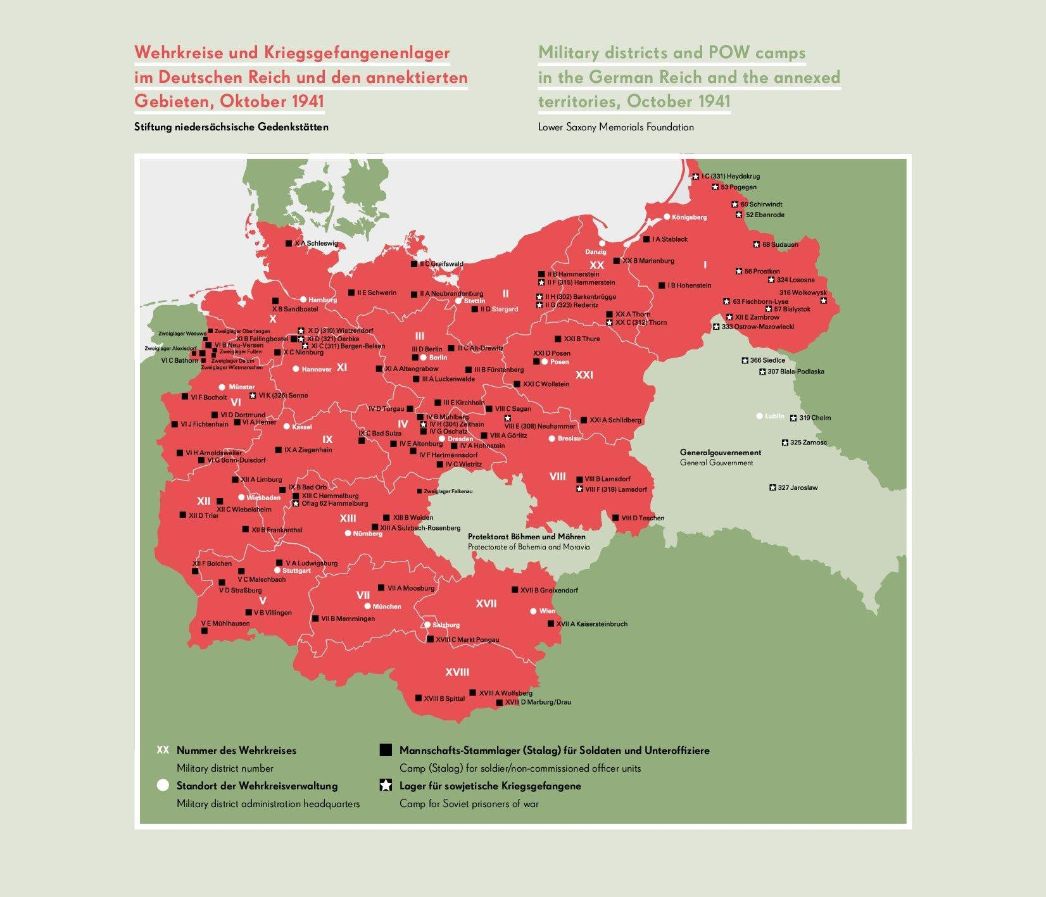
©Stiftung niedersächsische Gedenkstätten
Soviet Prisoners of War in the Buchenwald concentration camp
22 June 1941: From the first day of Germany’s invasion of the Soviet Union, the Wehrmacht deliberately violates the Geneva Convention in its treatment of Soviet prisoners of war.
18 October 1941: The Wehrmacht transfers 2,000 prisoners of war from Stalag 310 Wietzendorf near Hamburg to the Buchenwald concentration camp.
April 1942: Within half a year, 600 prisoners of war have died in the Buchenwald POW camp.
May 1942: 1,000 prisoners of war are taken to the Sachsenhausen concentration camp.
Summer 1942–1945: Until 1945, the inmate population of the POW camp will remain at around 800. The Gestapo commits some 3,500 prisoners of war to Buchenwald as ‘political prisoners’.
10 April 1945: The inmates of the POW camp leave Buchenwald on a death march.
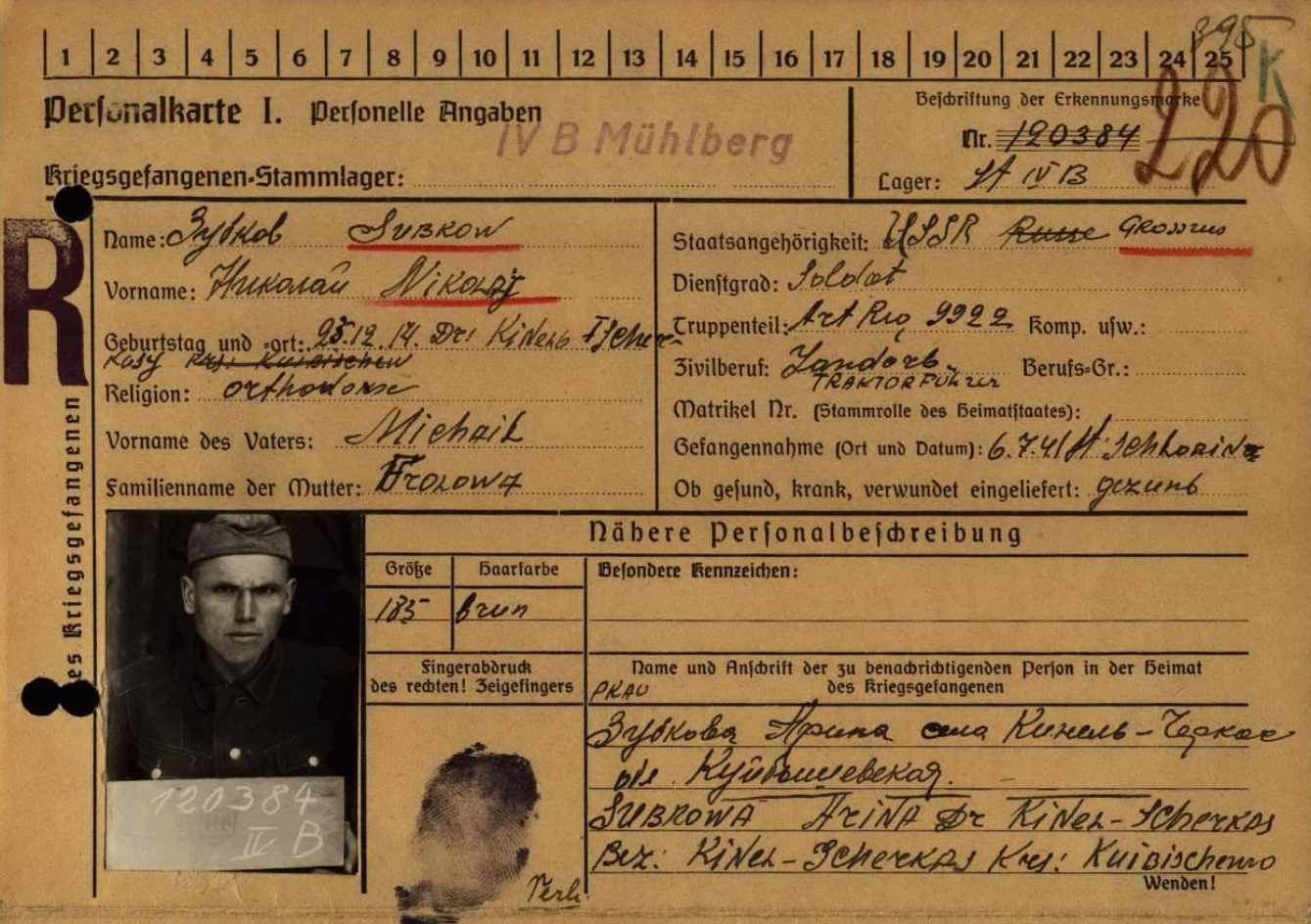
Tractor driver
Captured in July 1941 near Gomel (Belarus), Stalag IV B Mühlberg, VII A Moosburg, March 1942 Buchenwald concentration camp, May 1942 Sachsenhausen concentration camp
©obd-memorial.ru
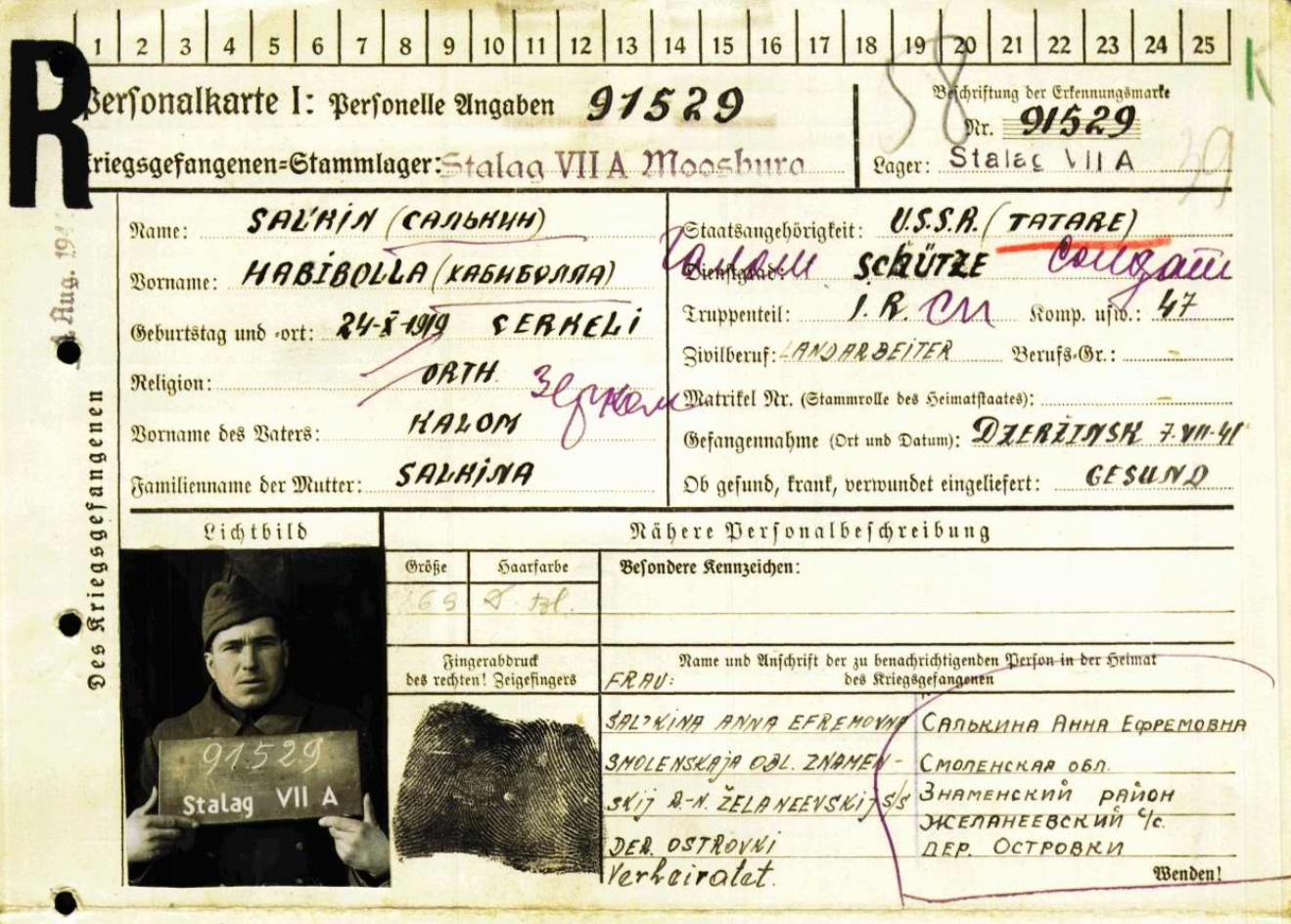
Habibolla Salkin, age 21, Ukraine
Agricultural worker
Captured in July 1941 near Minsk (Belarus), Stalag VII A Moosburg, March 1942 Buchenwald concentration camp, May 1942 Sachsenhausen concentration camp
Died on 16 September 1942
©obd-memorial.ru
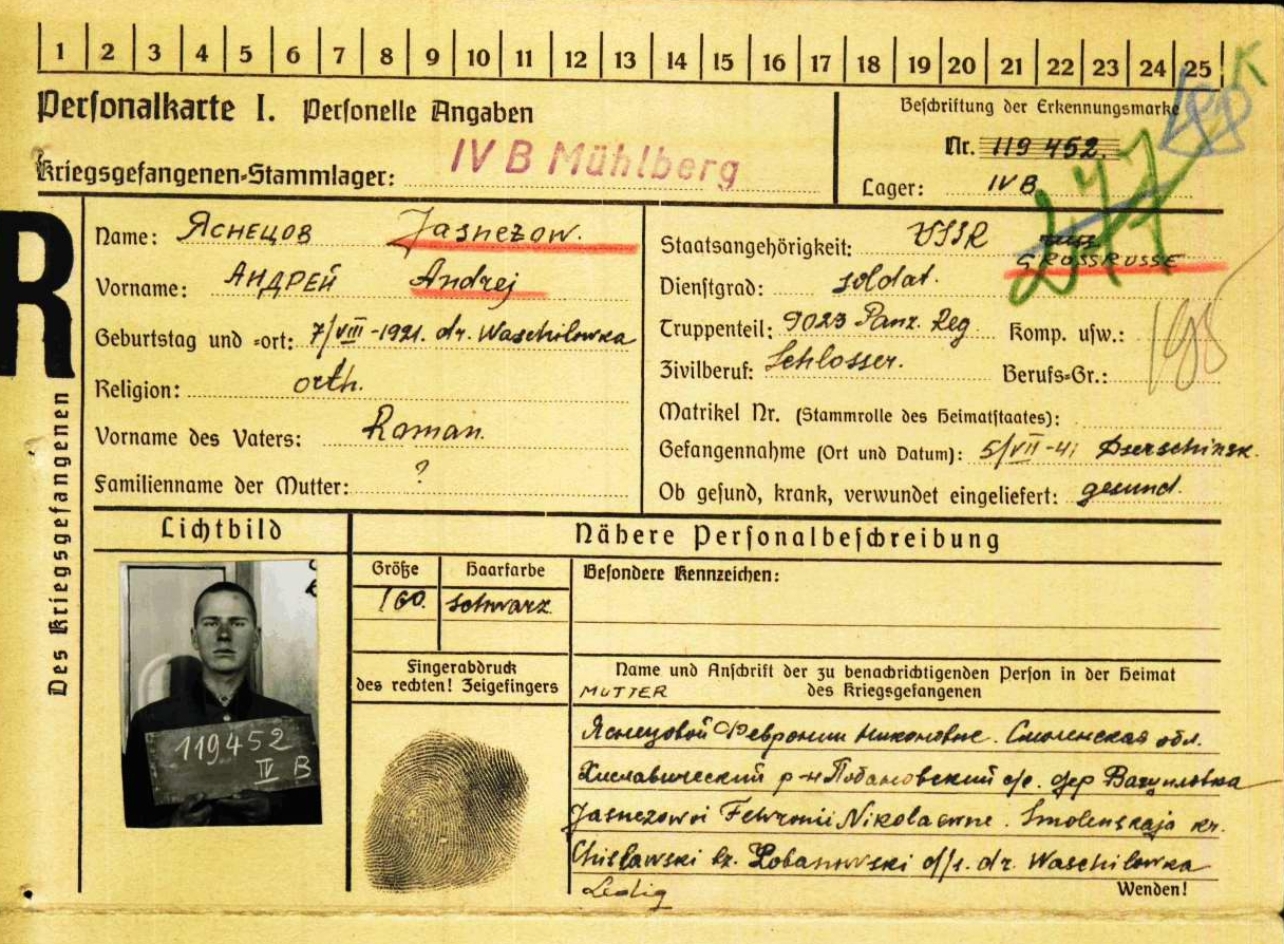
Metalworker
Captured in July 1941 near Minsk (Belarus), Stalag IV B Mühlberg, VII A Moosburg, March 1942 Buchenwald concentration camp
Died on 16 August 1942
©obd-memorial.ru
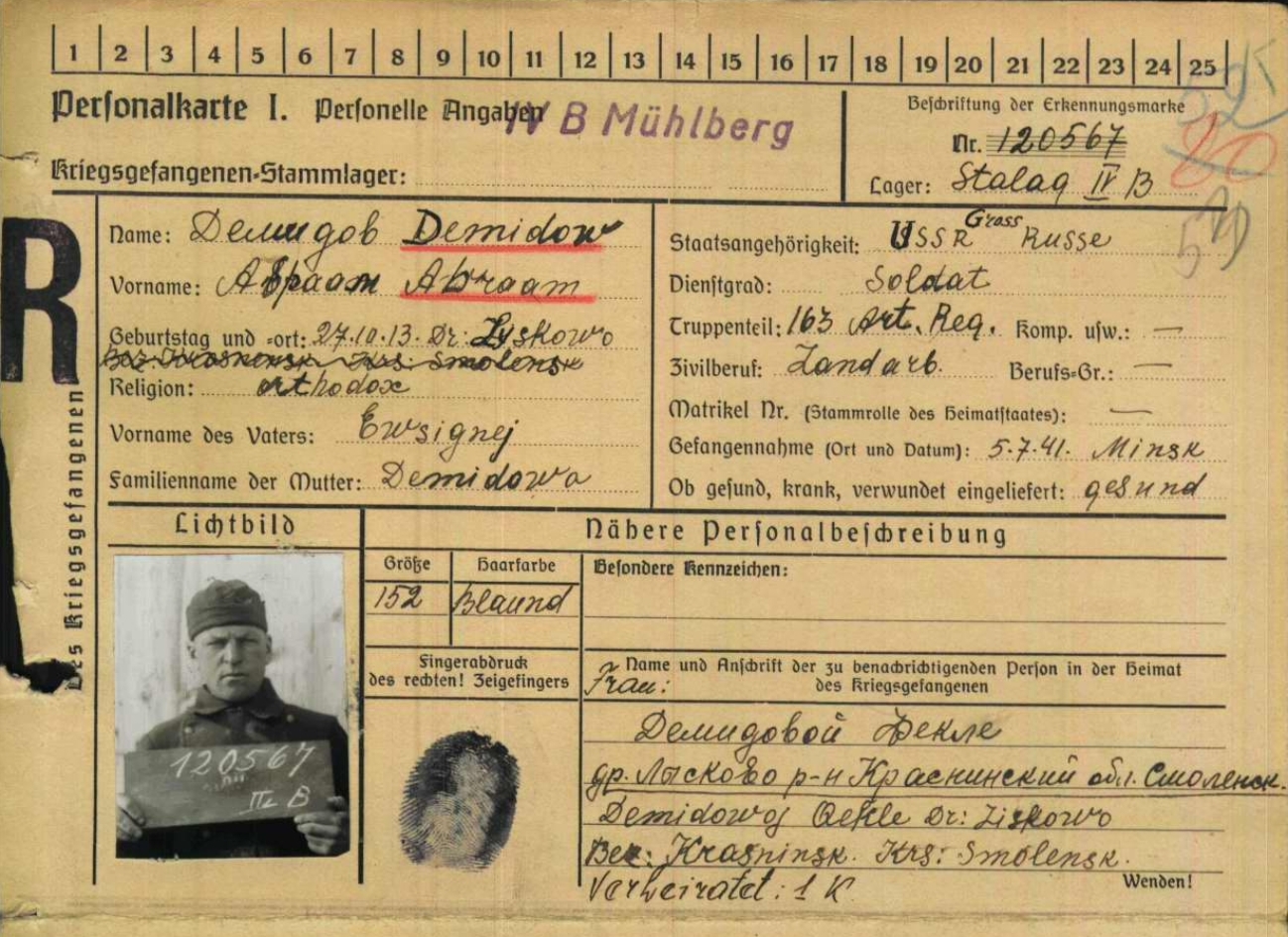
Agricultural worker, married, one child
Captured in July 1941 near Minsk (Belarus), Stalag IV B Mühlberg, VII A Moosburg, March 1942 Buchenwald concentration camp, May 1942 Sachsenhausen concentration camp
Died on 17 October 1942
©obd-memorial.ru
ʻOn the second day, the prisoners were taken to the disinfection building … They brought the Russians in one large group, accompanied by guards. And suddenly people lunged at them from all sides. They spoke loud and fast. The prisoners didn’t understand their words, but they did understand the most important thing—the relationship of the other inmates to the Russians: themselves hungry and emaciated, the inmates slipped them something to eat; they pressed their meagre rations under the [Russian prisoners’] armpits—300 g of ersatz bread.’
The Soviet prisoner of war
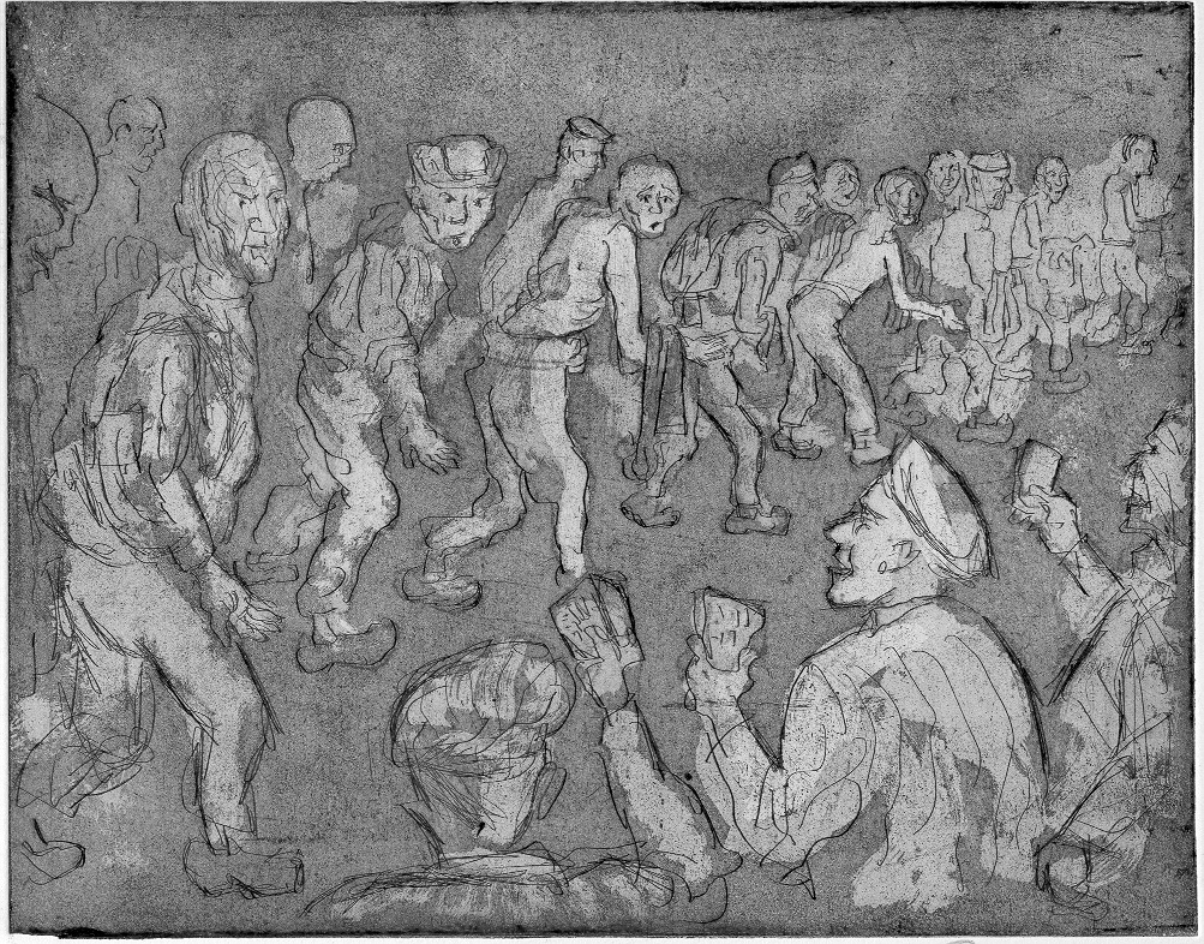
Herbert Sandberg (1908 – 1991), graphic artist, in Buchenwald 1938–1945, aquatint etching, 1958
©Buchenwald Memorial
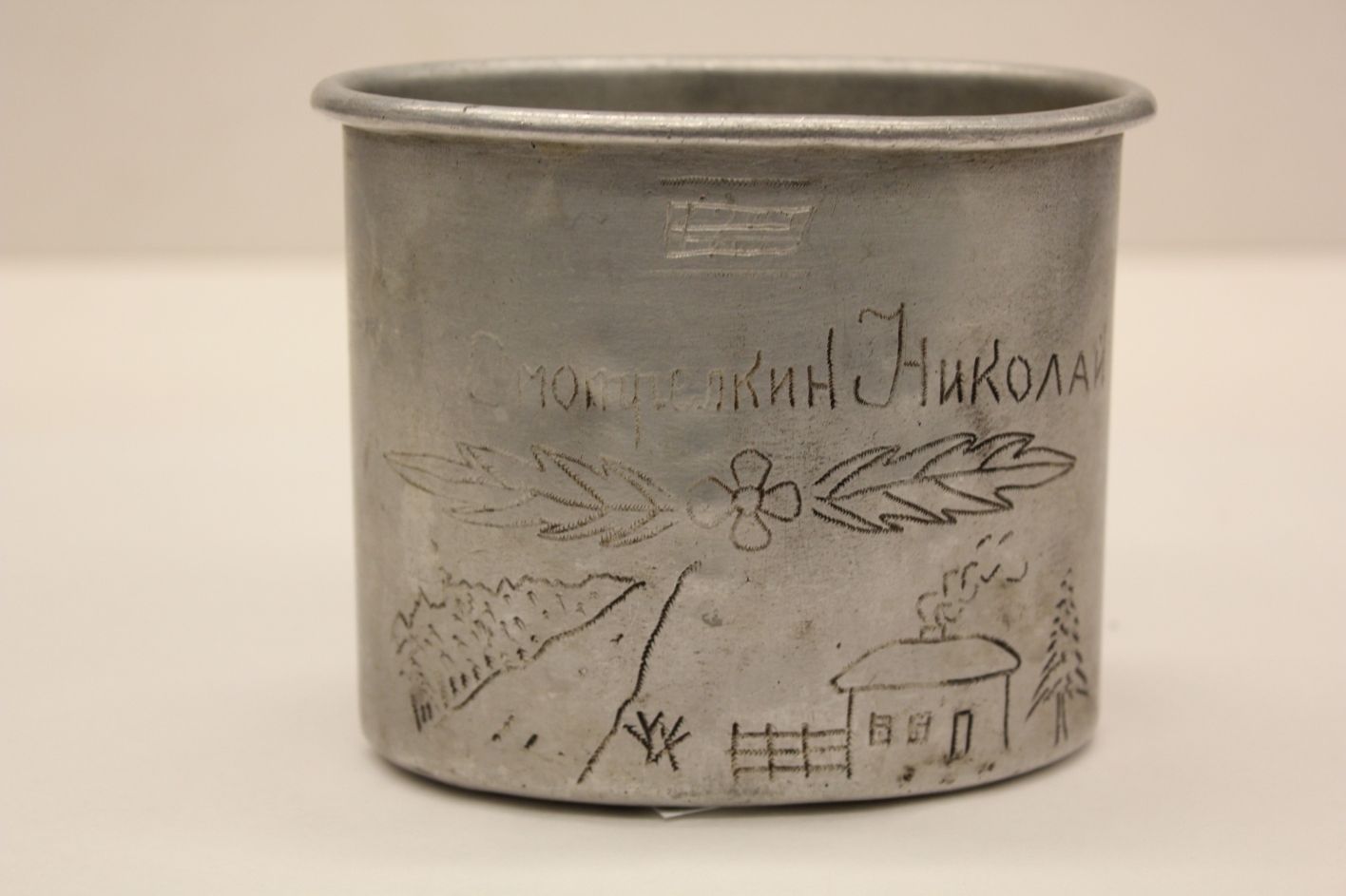
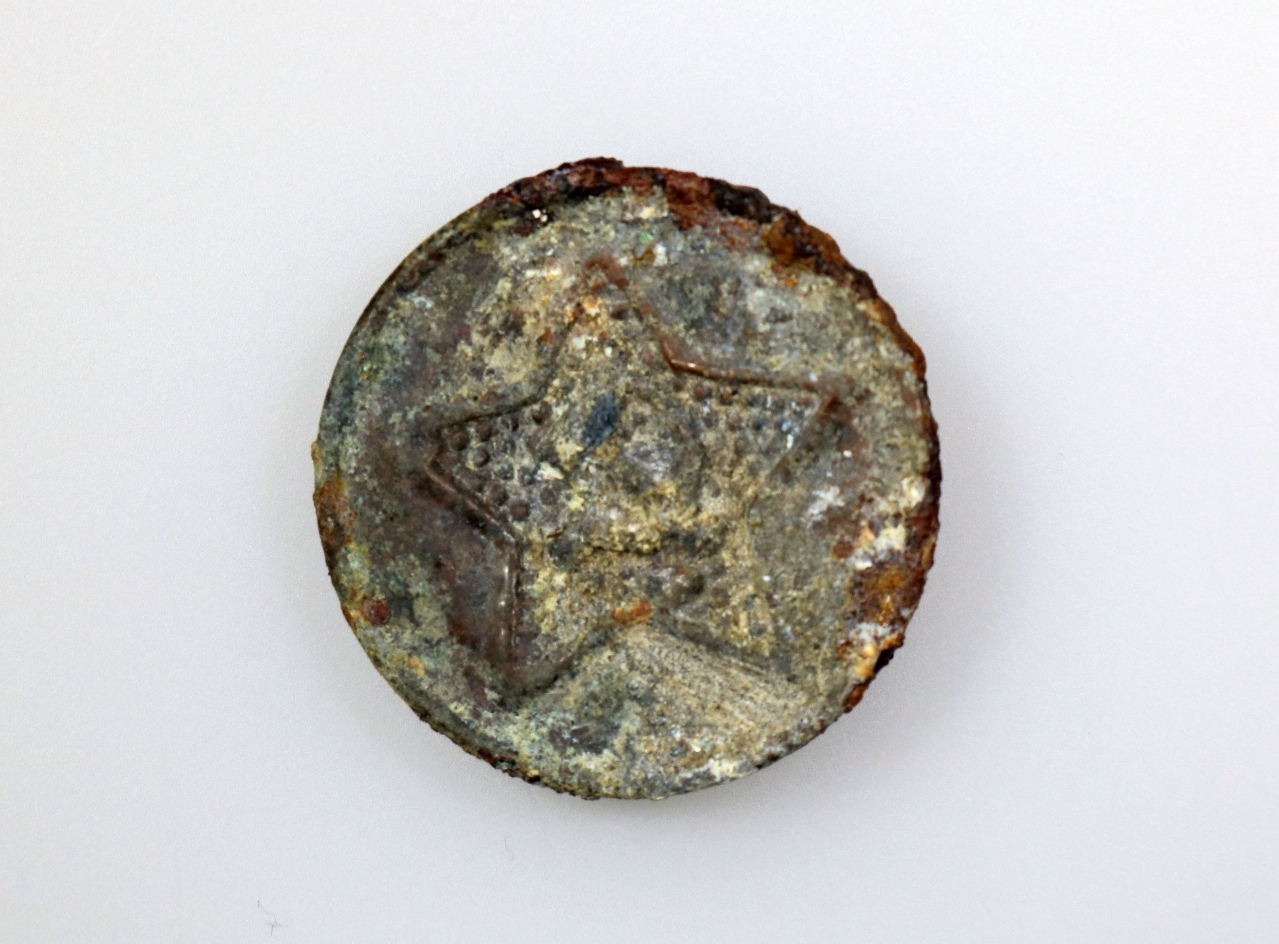
ʻFor breakfast there was half a litre of watery soup with wood chips and a pinch of rye. At midday 300 g of ersatz bread consisting of wood chips, potatoes, 30 g of rye flour, and 20 g of margarine. In the evening, after a 14-hour workday, the prisoners received 800 g of turnip soup. The ration was calculated in such a way that a person died a slow death.’
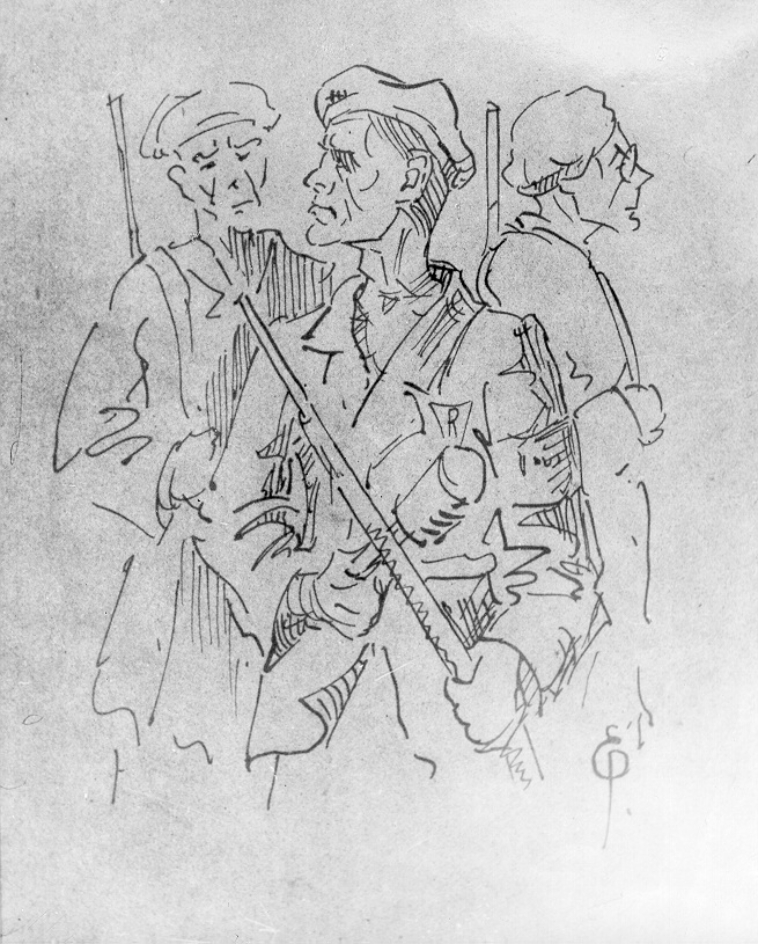
Armed Inmates
Roman Jefimenko (1916 – 1996), artist, in Buchenwald 1943 – 1945, pen-and-ink drawing, 1945
©Buchenwald Memorial
ʻOn Sundays we had a shorter workday. We used the time to inspect our combat strength … Of course, no army in the world knew soldiers like these: sunken cheeks and eyes and thin arms hanging out of the wide sleeves of the striped jackets.ʼ
Baki Nazirow on the condition of the Soviet prisoners of war