In October 1941, the SS set up an execution site in a former horse stable west of the prisoner-of-war camp. It had been specifically designed for the mass murder of Soviet prisoners of war.
For weeks, the Gestapo had been singling out men in the prisoner-of-war camps for ideological and racist reasons. Upon arrival in Buchenwald, they were shot without being registered.
In the horse stable, SS men killed the prisoners of war with a shot to the back of the head, under the pretense of a medical examination. In other concentration camps, the killing campaign was halted in the summer of 1942. Buchenwald remained a site of murder until 1944. In total, around 8,000 Soviet prisoners of war were systematically killed here.
A secret matter of the reich
‘In view of the experience gathered in this area thus far, it can be said that it is no easy task to distinguish between tolerable and intolerable elements among the Soviet Russians. …
Essentially the only way to achieve anything is to take advantage of these people’s hunger and greed for one’s own purposes. …
It should be pointed out from the start that the Russians, in their entirety, are exceedingly undernourished and utterly famished. …
There is no cause to show sentimental or other feelings towards the Russians. …
For this reason, those of the Soviet Russians identified by the operations units once and for all as suspicious are reported without delay … [and,] following receipt of an execution confirmation, shot to death.’
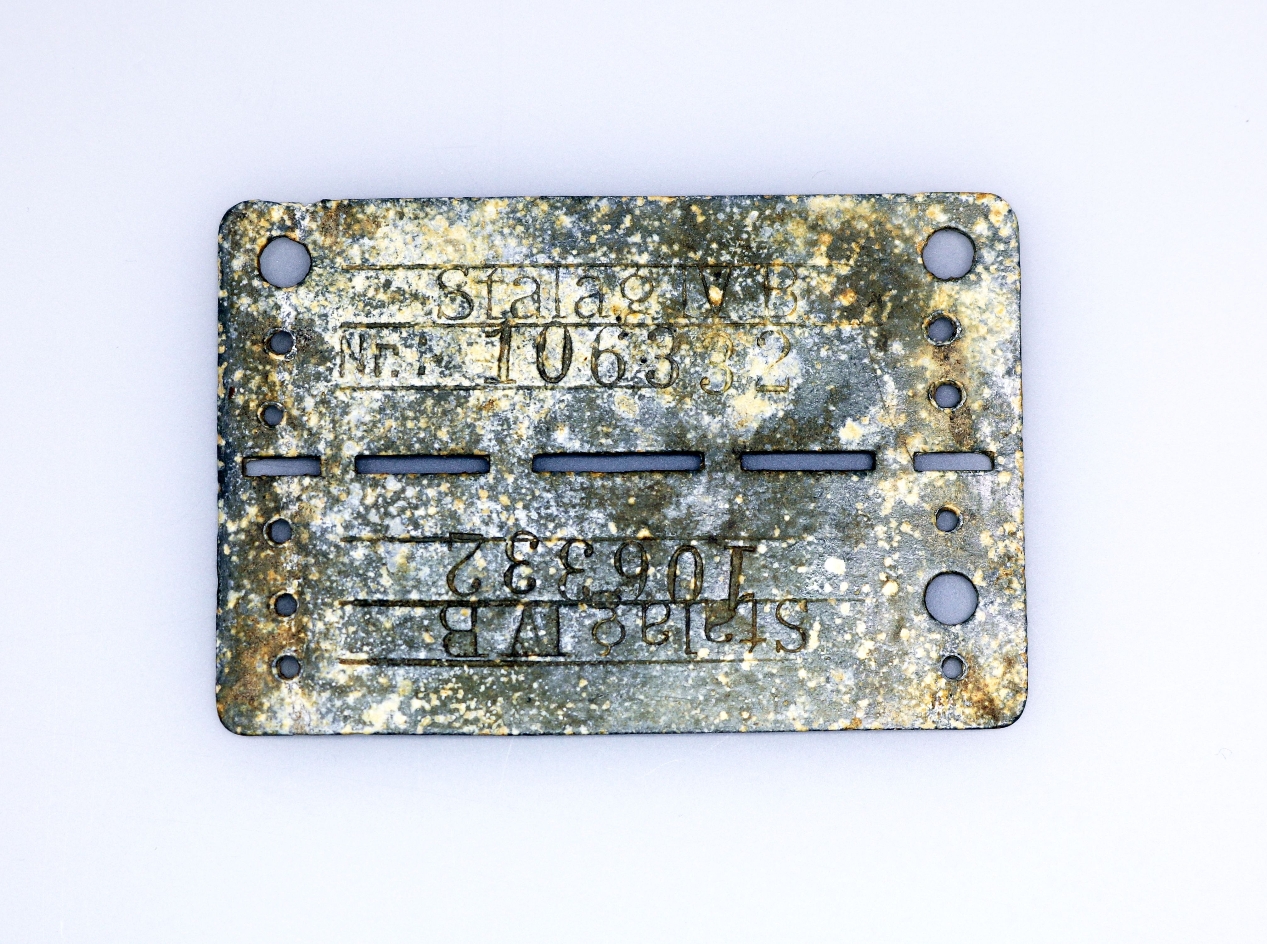
In 1942, members of the Gestapo reported to party and state functionaries in Weimar about the selection of Soviet prisoners of war in the Stalag IV E Altenburg. The lecture was classified as a ʻgeheime Reichssacheʼ (ʻsecret Reich matterʼ).
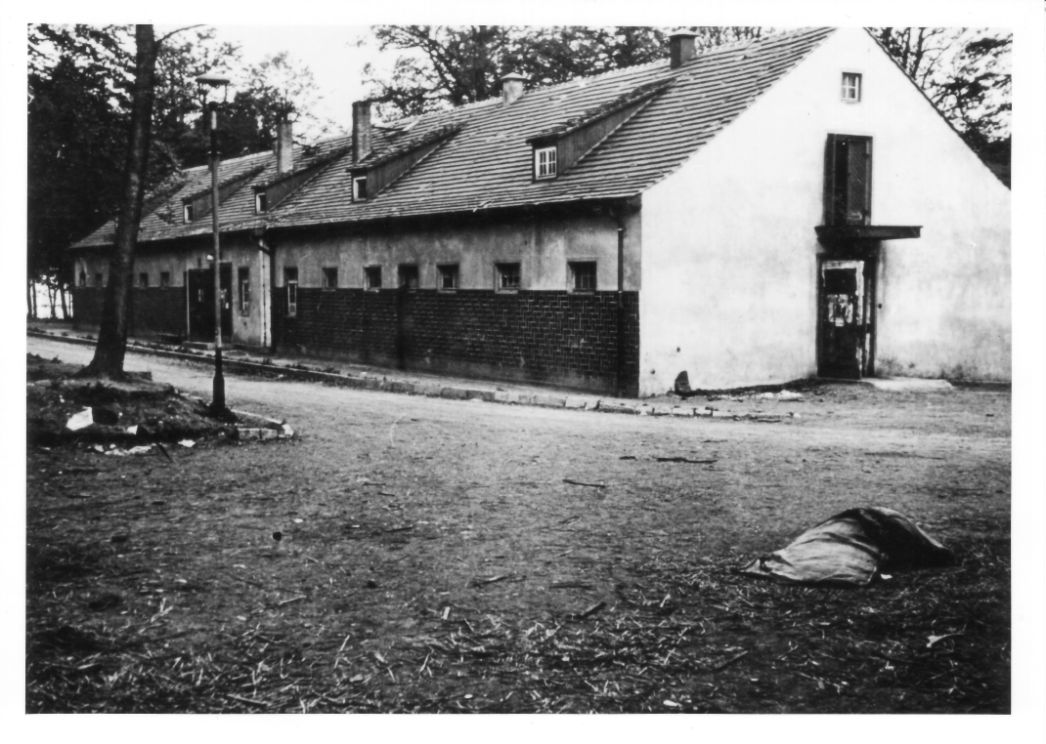
The prisoners of war were taken to the stable immediately upon arrival in Buchenwald.
©Gedenkstätte Buchenwald
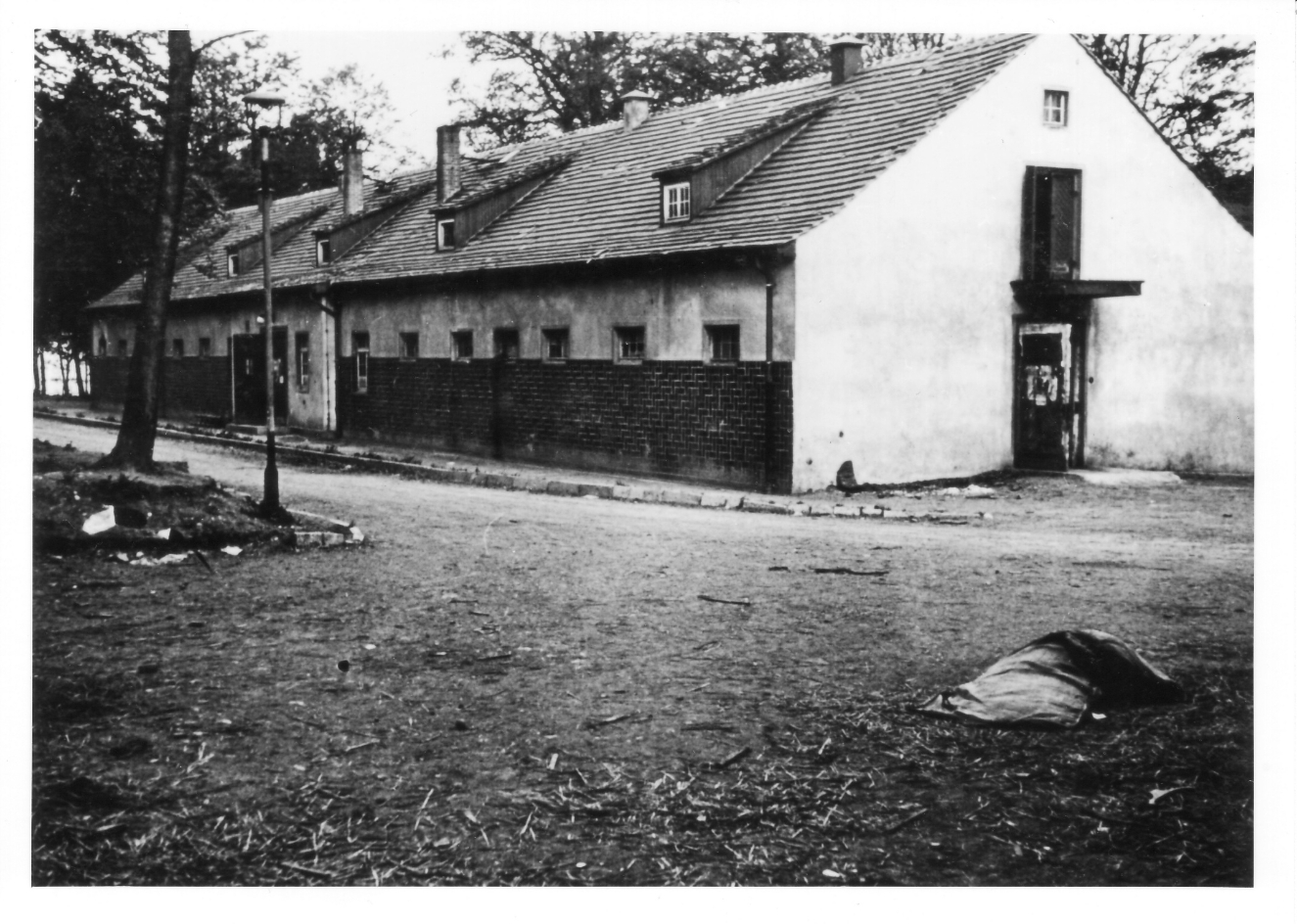
The prisoners of war were taken to the stable immediately upon arrival in Buchenwald.
©Gedenkstätte Buchenwald

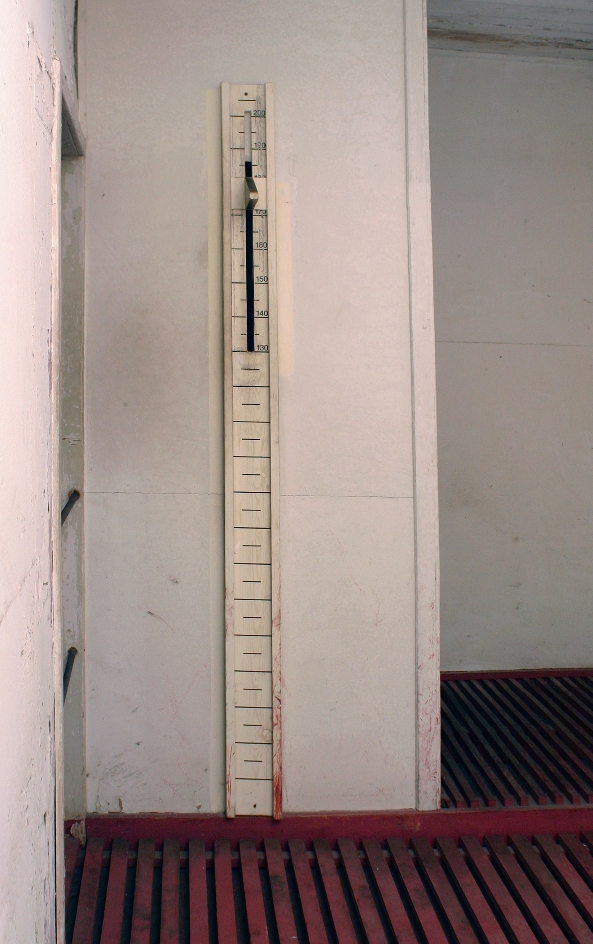

Photo: Alfred Stüber, April 1945
©Gedenkstätte Buchenwald
ʻThe Stable of Death – The treacherous little house. That is what it was called by the Russian inmates, who were the first to guess the true nature of the harmless-looking stable building near the indoor riding arena.’
Report by the Buchenwald survivor Aleksej Litowkin, 1945
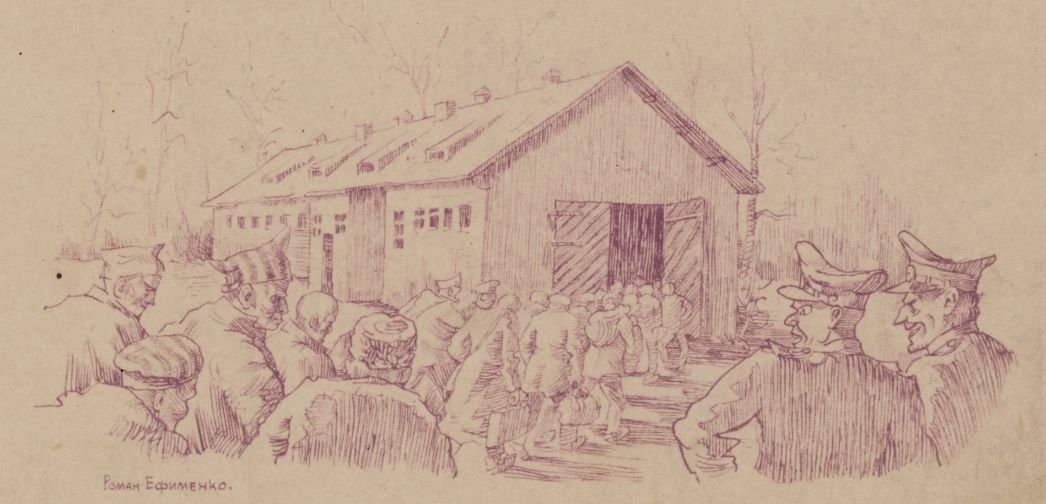
Roman Jefimenko (1916–1996), artist, Buchenwald 1943–1945, drawing
©Gedenkstätte Buchenwald
ʻIn the winter of 1943–44, there were often pools of blood next to the stable in the morning, and the entire road from the stable to the crematorium was covered with the traces of blood that had dripped from the truck and mixed with the snow, in which the red tyre tracks could also be seen.’
Report by the Buchenwald survivor Aleksej Litowkin, 1945
ʻI remember one of the many shootings that took place in February 1942. Some 400 Russian prisoners of war were led to the stable. Because their clothing was supposedly infested with lice, they had to undress to have it disinfected. They were led into the interior of the building in groups. Anticipating the threat they faced, many tried to flee. They were shot to death on the spot.’
Report by the Buchenwald survivor Albert Bunzol, 1945
ʻI can still see the bloody coat of a Red Army uniform before me. It was February 1942. A grey Buchenwald morning. I was rushing to work from block 28. When I passed the crematorium, I noticed a coat lying on the pavement. I picked it up. It was covered with blood.
That year, Soviet prisoners of war were shot to death in the riding arena and the stable every night. I understood. The coat belonged to one of those killed by the Buchenwald executioners …
Who had it belonged to? I searched the pockets and found a scrap of paper. It had an address on it: “Kopeysk City, Chelyabinsk District, [I don’t remember the name of the street or the house number], Jakov Fedorcov”
... a blood-covered coat, a grey morning, an address on a scrap of paper. I can remember it all very well.’
Report by the Buchenwald survivor Izrael Frenkiel, 1945
ʻKommando 99ʼ
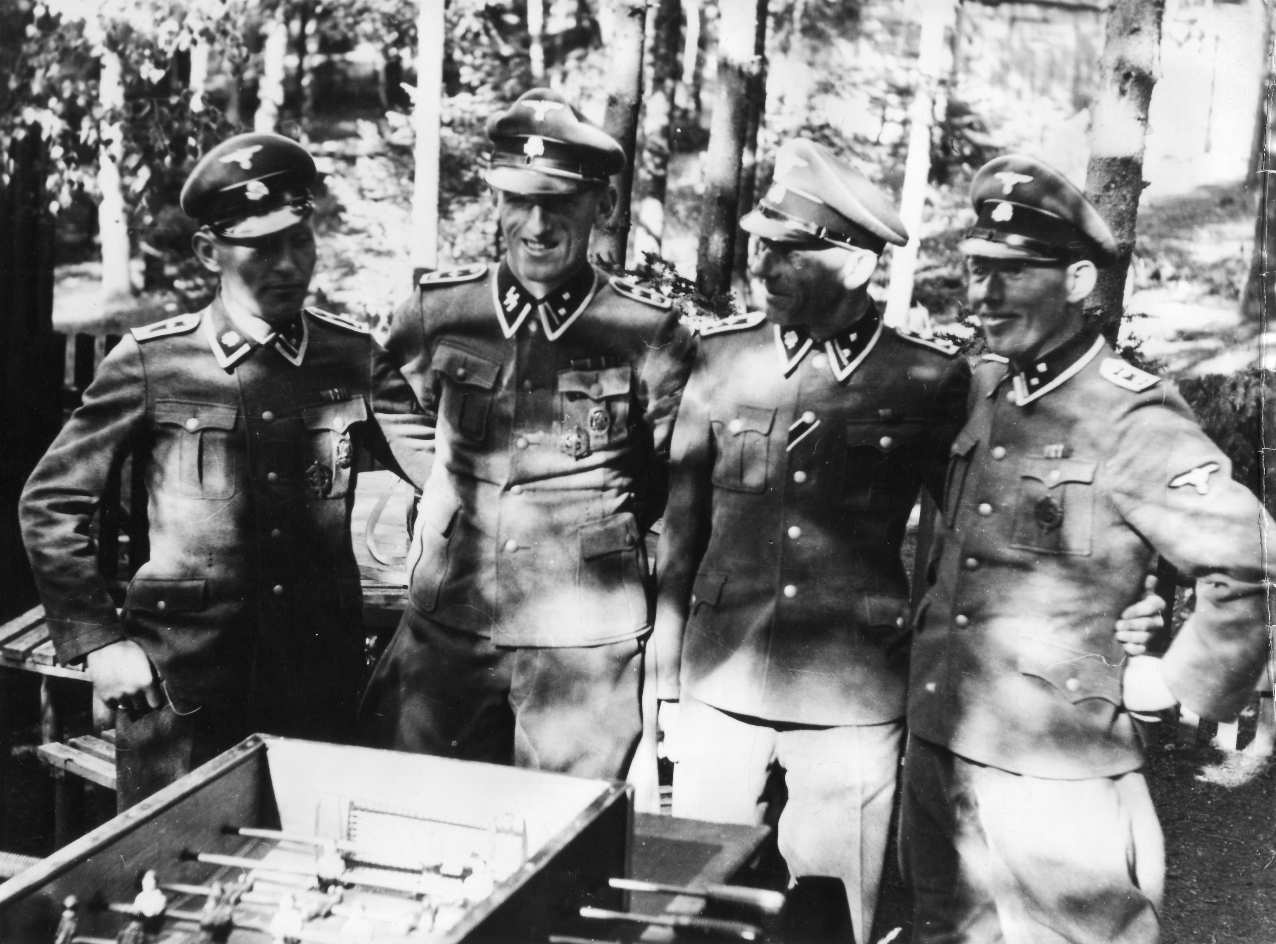
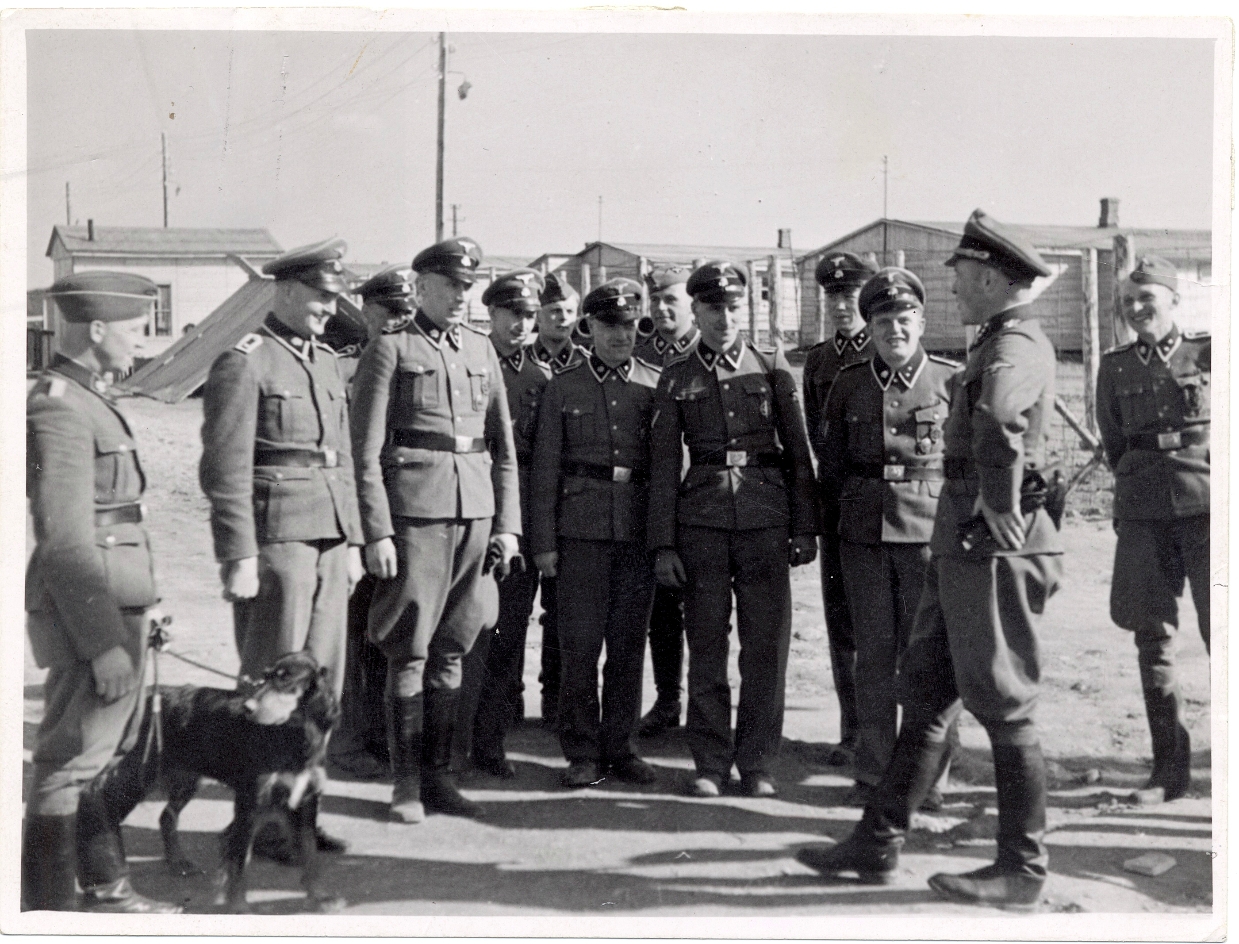
The SS camp command created a special detachment, the so-called Kommando 99, to carry out the mass shooting in the stable. Named after the stable telephone extension, the unit consisted of SS men from the command staff. Most of these longstanding SS members had already worked in various concentration camps, building careers for themselves in the concentration camp service. Many of them were known in the camp as violent block and detachment officers.
The SS men carried out the shootings in changing constellations. As members of ‘Kommando 99’, they received additional food, alcohol, and cigarettes. They were awarded the War Merit Cross for their participation in the mass murder; some were also promoted.
“ʻAfter you entered the examination room for the first time, what happened there?’
‘The Russian prisoner of war was then made to stand in this room with his back to the wall. This wall was about 2 metres high and numbers had been painted on it to the left and right to give the impression that it was used for measuring. Right in the middle of the wall was a slit about 8 to 10 cm wide. A man with a pistol stood behind this wall. The man who had led the prisoner to the wall tapped the wall with his foot to signal to the man standing behind the wall that he should fire his pistol.’
‘And you stood in this room for the first time and fired a shot?’
‘The first time, yes. In the end I fired eight shots.’
‘By that you mean that you fired eight shots at eight different Russian prisoners of war?’
‘Correct.’
‘Where did you shoot them?’
‘In the back of the head.’”
Testimony by Horst Dittrich, a former member of the SS, before a U.S. court martial in Dachau, 5 November 1947
(National Archives at College Park, Maryland)
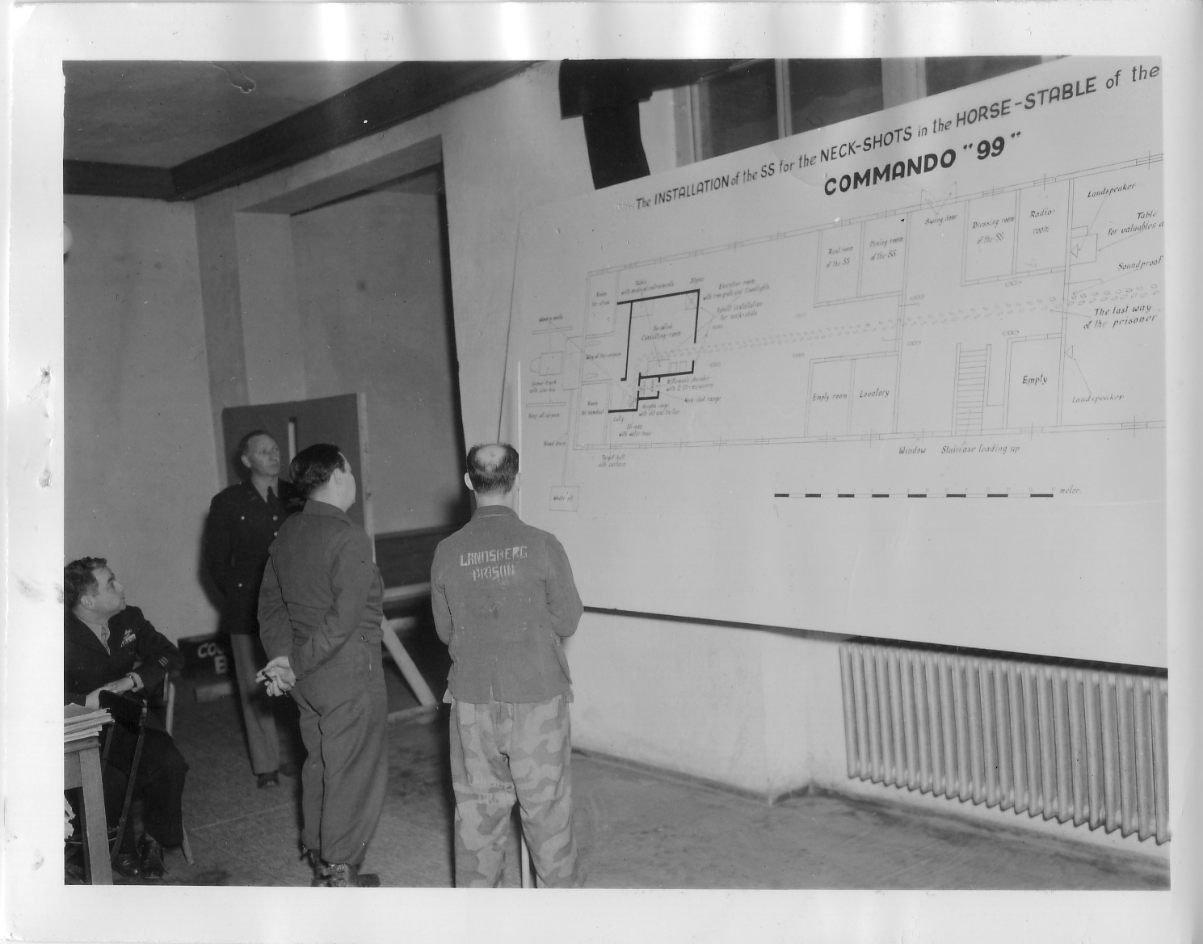
Photos: Rosete (U.S. Army Signal Corps) ©National Archives at College Park, Maryland
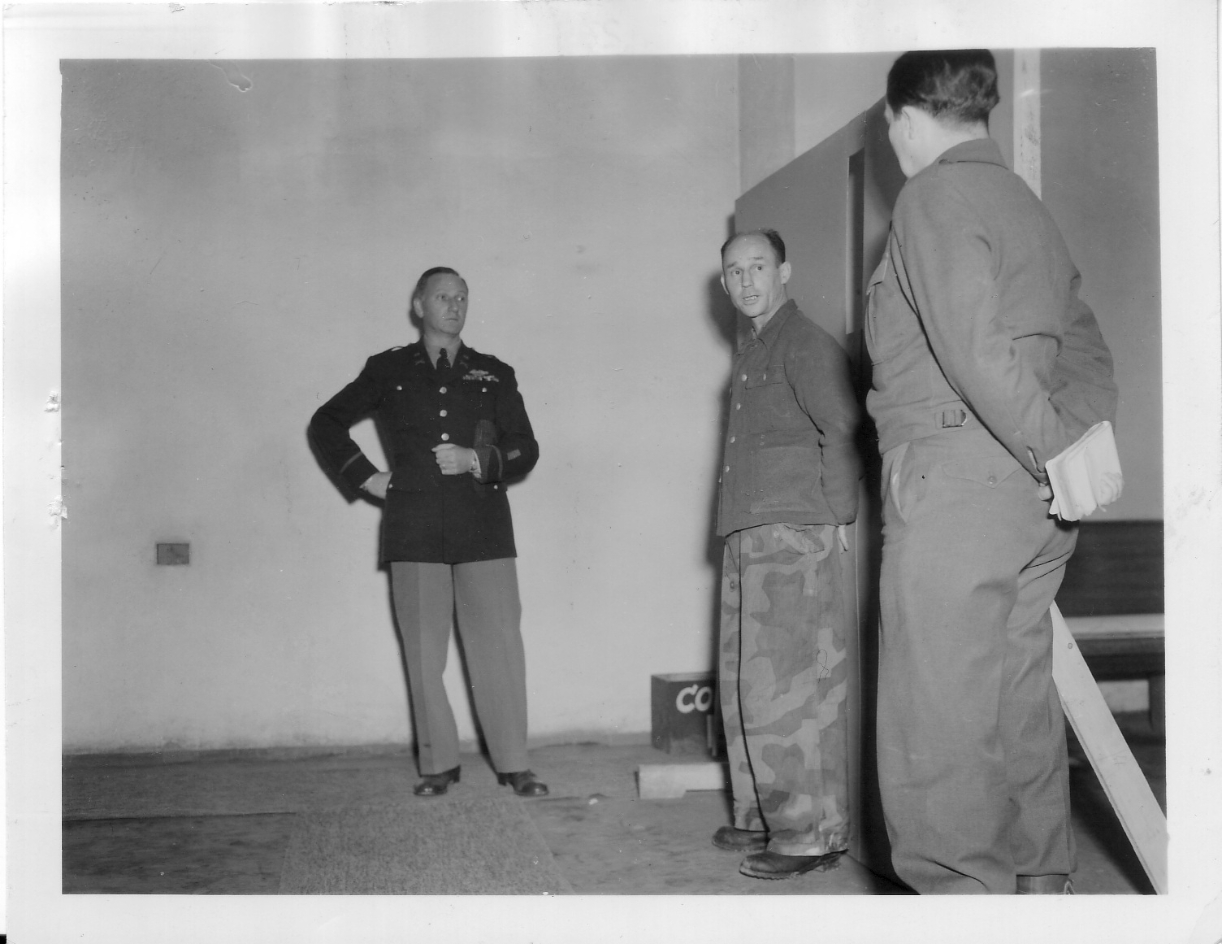
Photos: Rosete (U.S. Army Signal Corps) ©National Archives at College Park, Maryland