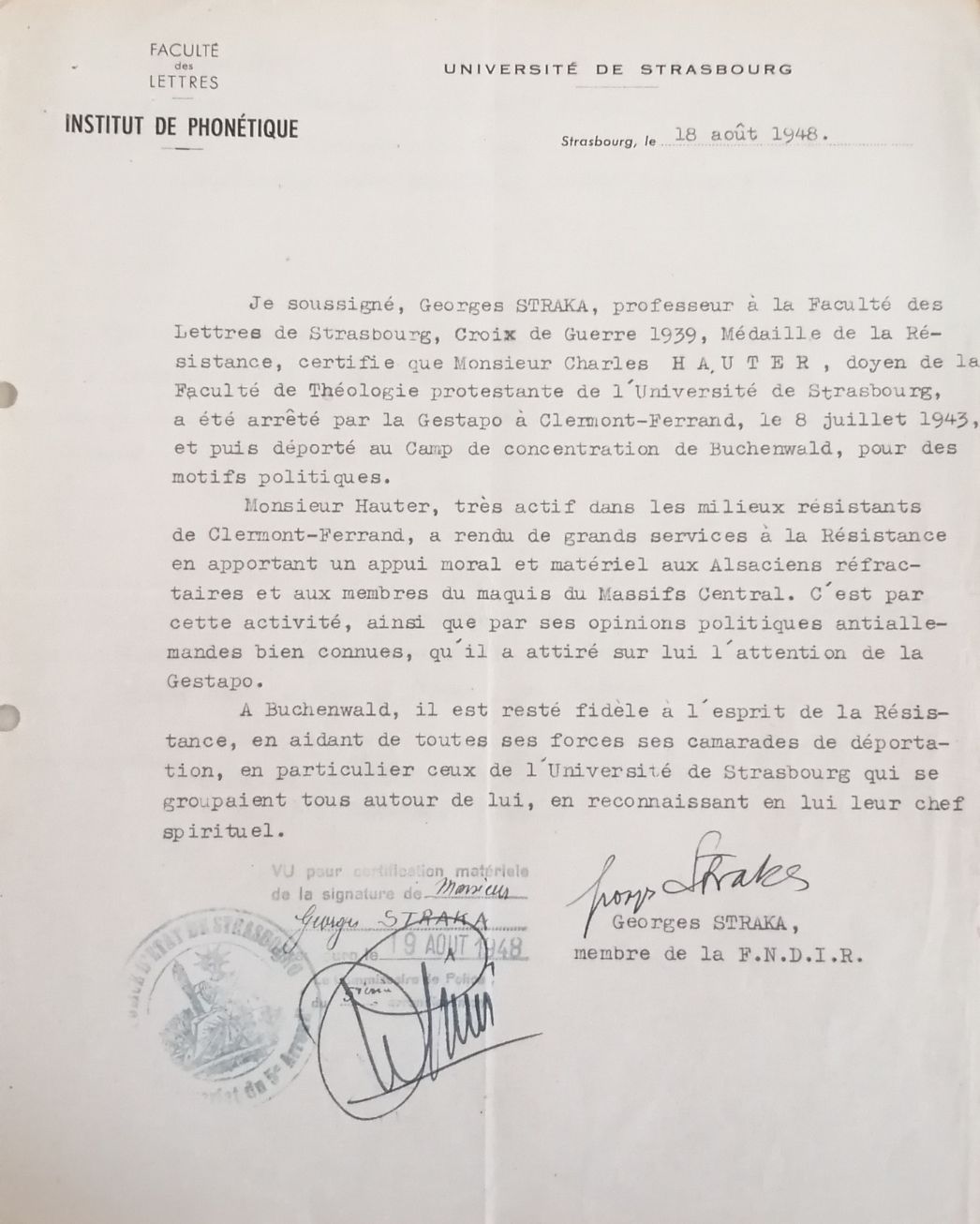
Ihr Engagement im Widerstand war vielfältig und umfasste sowohl individuelle Aktivitäten als auch Tätigkeiten in organisierten Widerstandsgruppen. Außerhalb strukturierter Netzwerke agierte beispielsweise der Theologieprofessor Charles Hauter. Er bot Studierenden, die aus dem Elsass und Lothringen nach Clermont-Ferrand geflohen waren, materielle und moralische Unterstützung an.
Following the construction of the railway station in the 1840s, Carl Alexander, Grand Duke of Saxe-Weimar-Eisenach, initiated an ambitious building programme with the aim of developing Sophienstraße (now Carl-August-Allee), which was dedicated to his wife Grand Duchess Sophie, into a "cultural pilgrimage axis" in order to create a prestigious entrance to the city. In this context, the then Watzdorfplatz, named after the Minister of State of the Grand Duchy of Saxony-Weimar-Eisenach, Christian Bernhard Freiherr von Watzdorf, was also remodelled. In 1871, influential local citizens called for the erection of a memorial bearing the names of those who had "fallen for the fatherland" and which would "serve as a powerful reminder to future generations of how they should act when the fatherland calls" (Weimarische Zeitung, 26 June 1871).
The over six-metre-high bronze, cast from captured French gun barrels, was ceremoniously inaugurated on 10 May 1878 on the western part of Watzdorfplatz and from then on formed the imposing backdrop for nationalist-militaristic marches. The monument itself depicted two soldiers, a young dying man being supported by an older man. The latter holds a sabre in his left hand and the flag of the Grand Duchy of Saxe-Weimar-Eisenach in his right, looking determined.
Although the war memorial hinted at a brutal consequence of the war, in this case the overriding of the "natural" order of the succession of generations, this was immediately recaptured as a necessary and heroic national task. From then on, Watzdorfplatz served as a meeting place for national-conservative warrior and rifle clubs, and the civilian population also marched here on festive occasions such as the founding of the Reich.
After the First World War, Watzdorfplatz, which concealed the horrors of the previous years with its remembrance of the German victory in 1870/71, continued to host regular gatherings of patriotic organisations and military parades that celebrated the past empire in the militaristic and anti-democratic tradition.
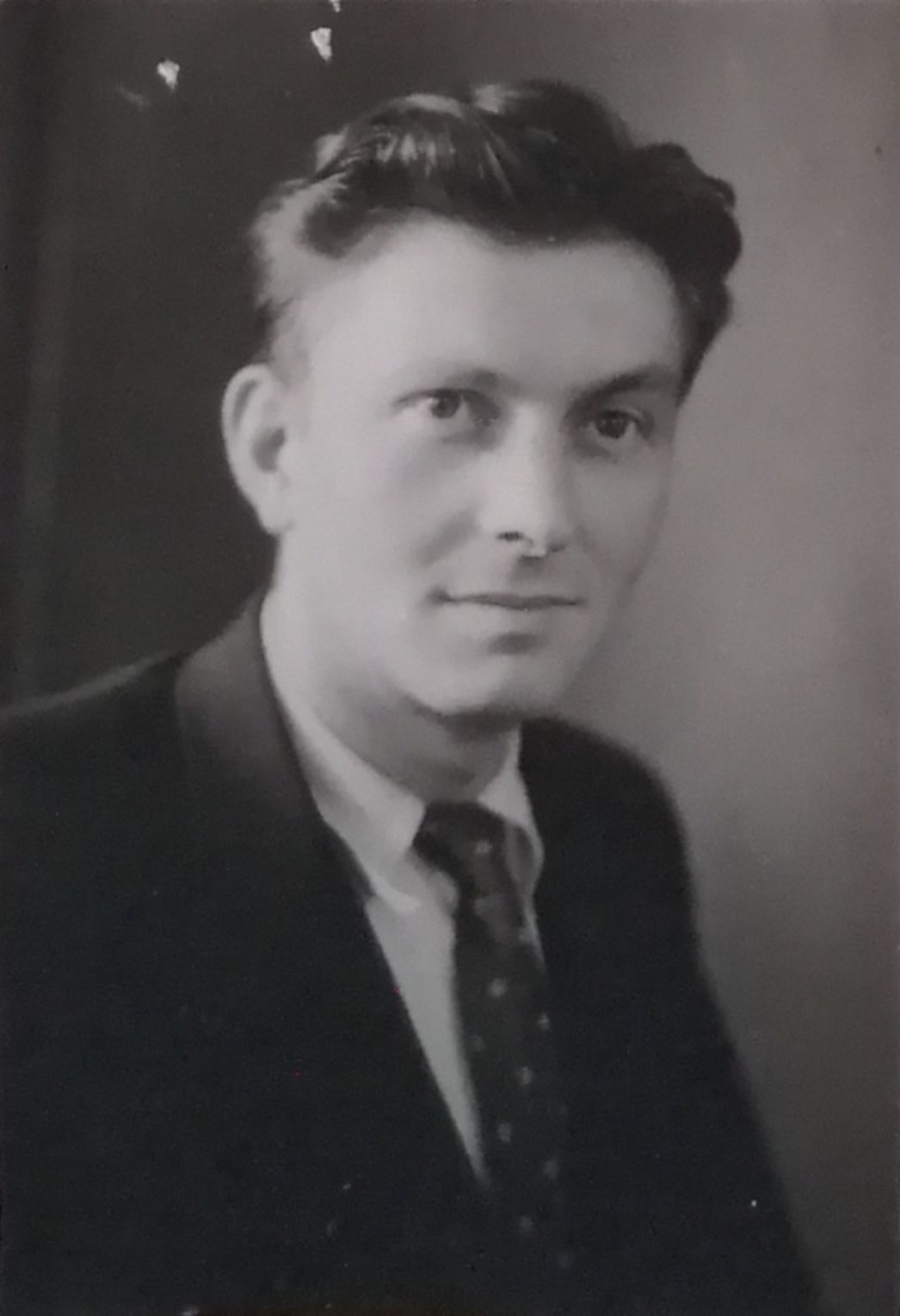
Darüber hinaus pflegten Universitätsangehörige, die nicht aus Frankreich stammten, Kontakte zu Widerstandsgruppen ihrer Herkunftsländer. So war der Student Boleslaw Majkrzak als Verbindungsmann für das Netzwerk „Monica“ im polnischen Widerstand in Südfrankreich tätig. Der Sprachwissenschaftler Georges Straka war neben seinen Geheimdienstaktivitäten für den französischen Widerstand auch Mitbegründer des ersten illegalen tschechoslowakischen Komitees in Frankreich Ende 1942.
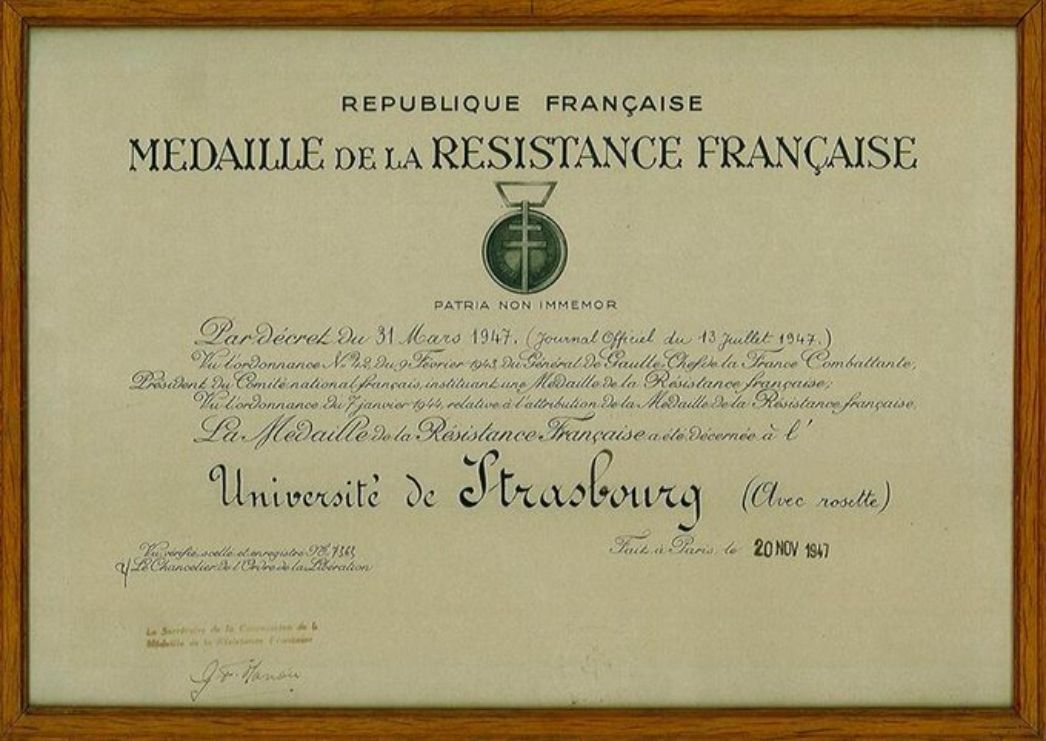
Für ihre Tätigkeit im Widerstand erhielten mehrere Angehörige der Université de Strasbourg nach dem Krieg Auszeichnungen. Auch die Universität selbst wurde gewürdigt: Der französische Staat verlieh ihr 1947 die Médaille de la Résistance und kennzeichnete sie somit offiziell als Universität im Widerstand.