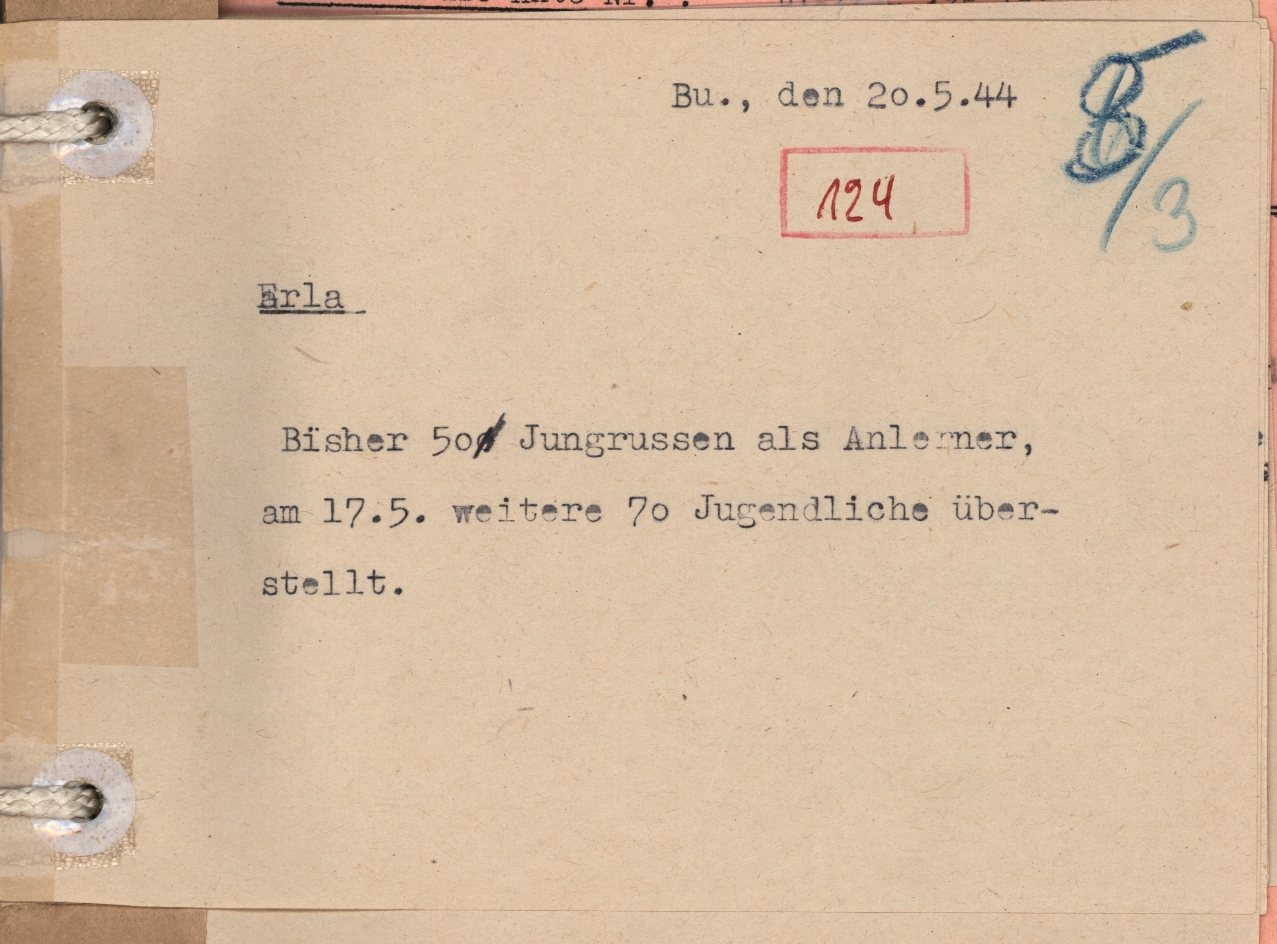
Far more than two million persons were deported from occupied areas of the Soviet Union to Germany for forced labour. Here deprived of their rights, they were made to live in enclosed camps and wear badges displaying the word ‘OST’ (east). Those who resisted or attempted to flee ended up in concentration camps.
Starting in mid-1942, the Gestapo committed more than 30,000 Soviet forced labourers, men and women alike, to Buchenwald. By April 1945, nearly 6,000 of them had lost their lives here or in one of the subcamps. Many were young, quite a few still adolescents or children.
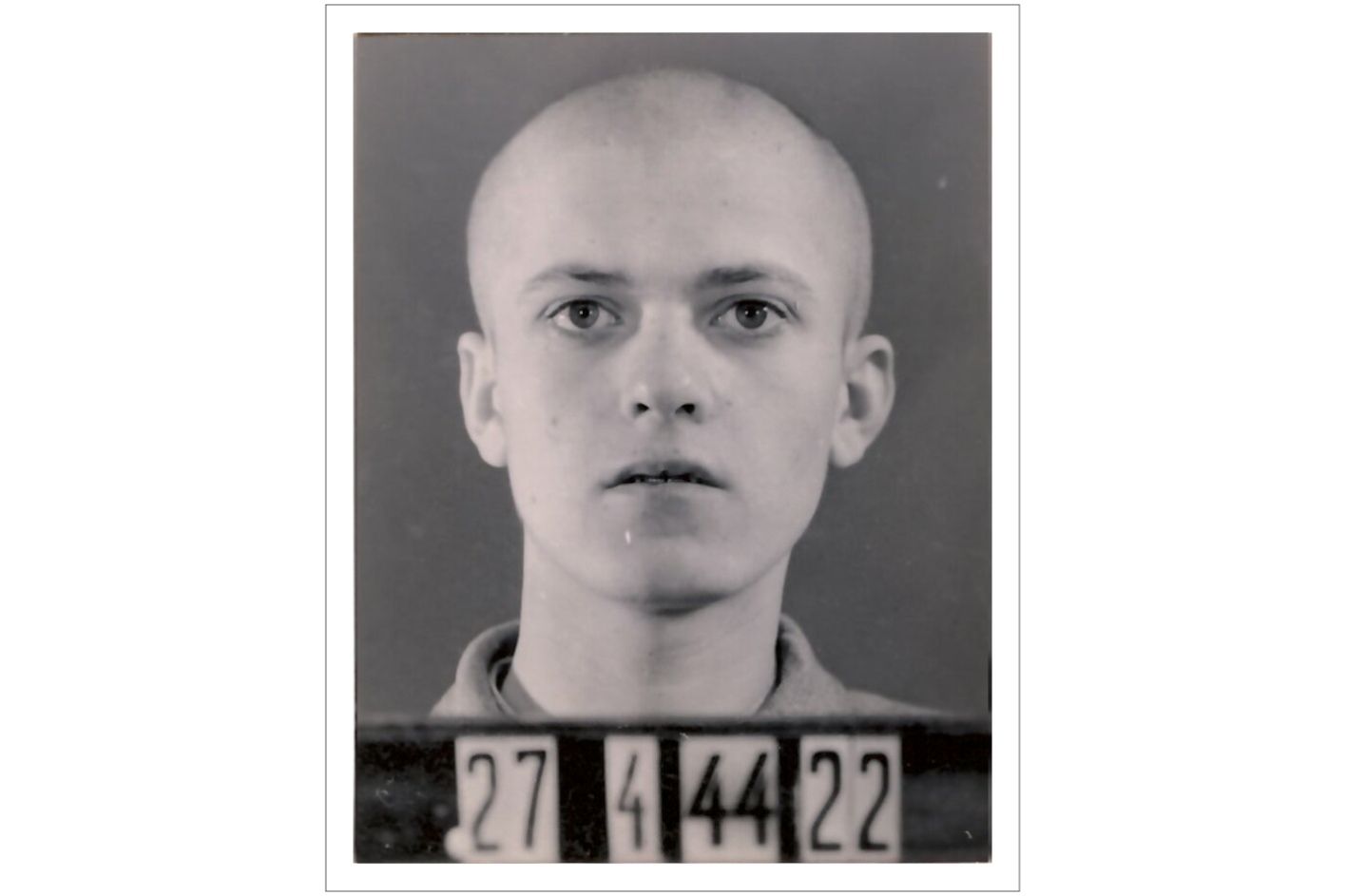
age 16, Russia, forced labour in Leipzig, Buchenwald, block 8, Böhlen subcamp
©Arolsen Archives
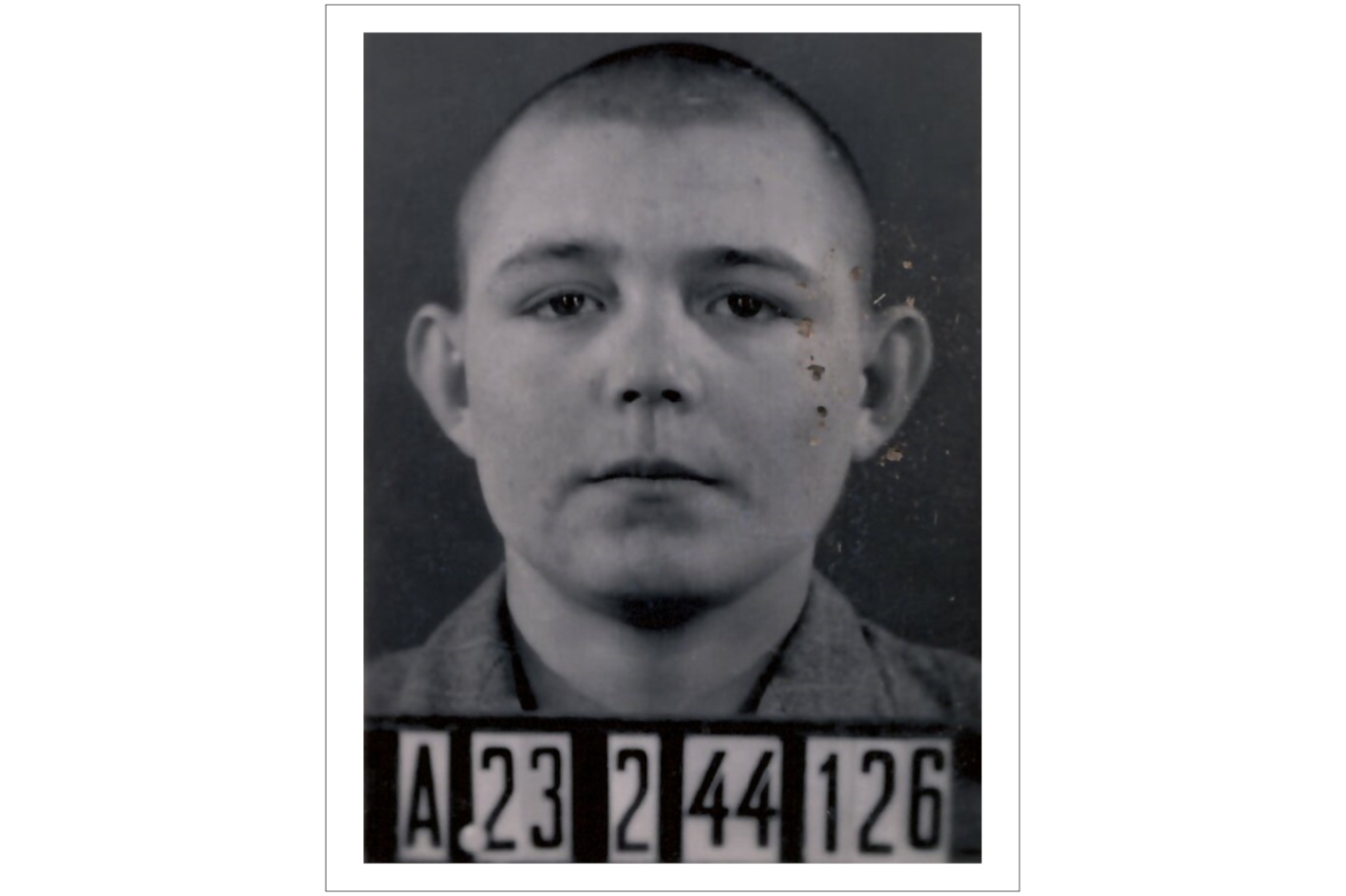
age 14, Ukraine, forced labour in Rosenberg (Silesia), Auschwitz, Buchenwald, Block 36
©Arolsen Archives
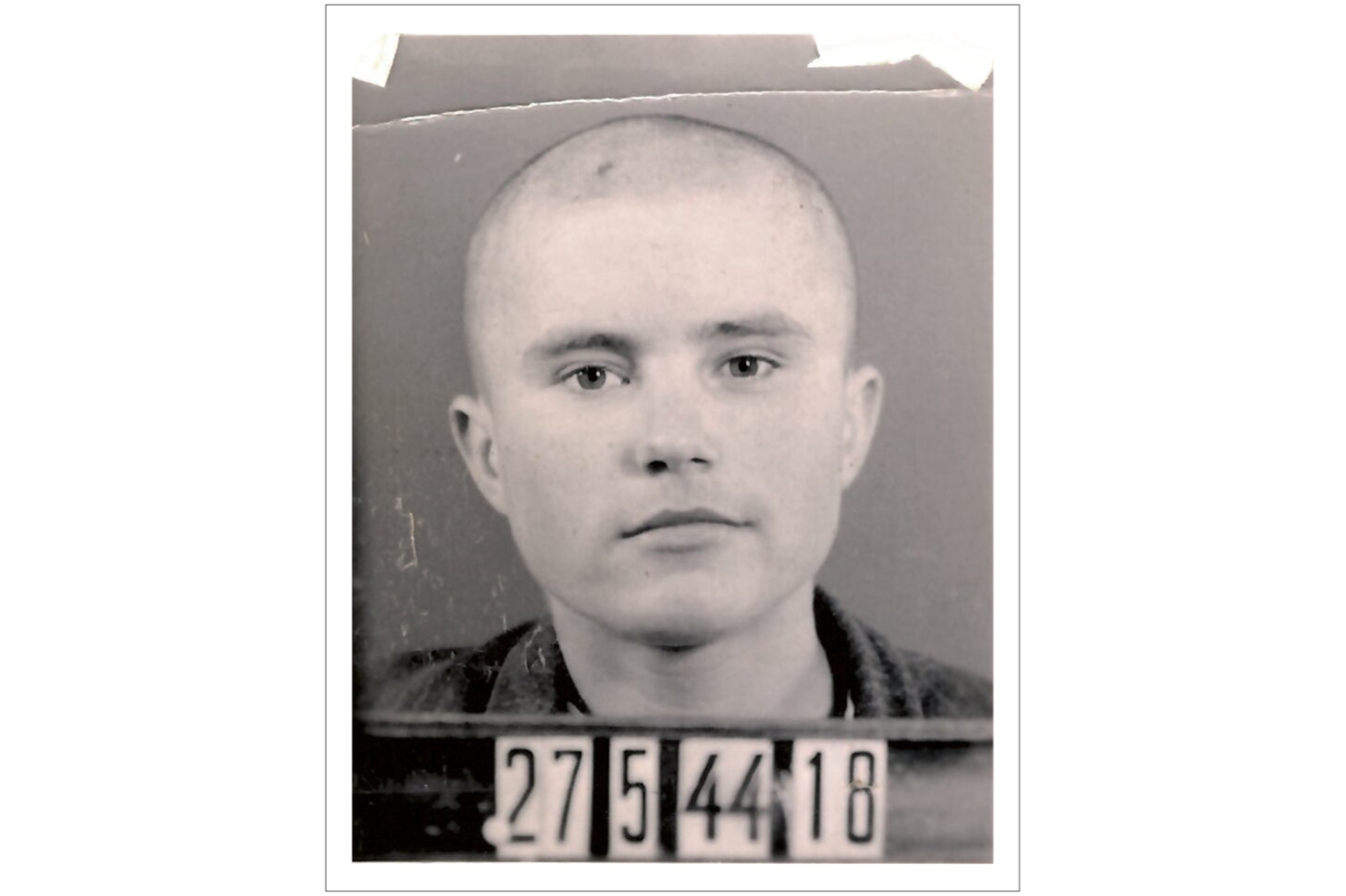
age 16, Ukraine, forced labour in Salzgitter, Buchenwald, Schwerte, and Westeregeln subcamps
©Arolsen Archives
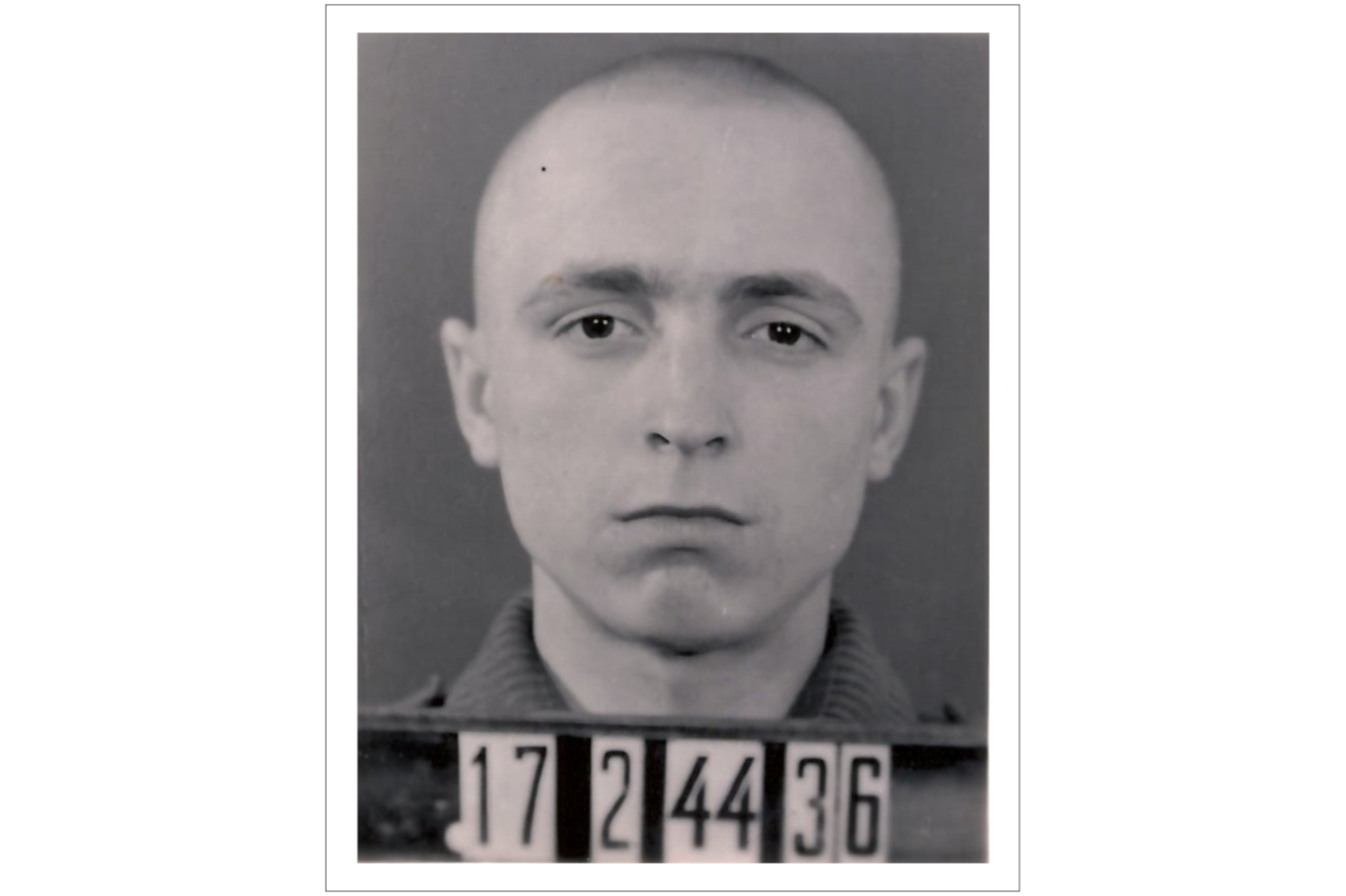
age 16, Ukraine, forced labour in Zittau, Buchenwald, Hadmersleben subcamp
©Arolsen Archives
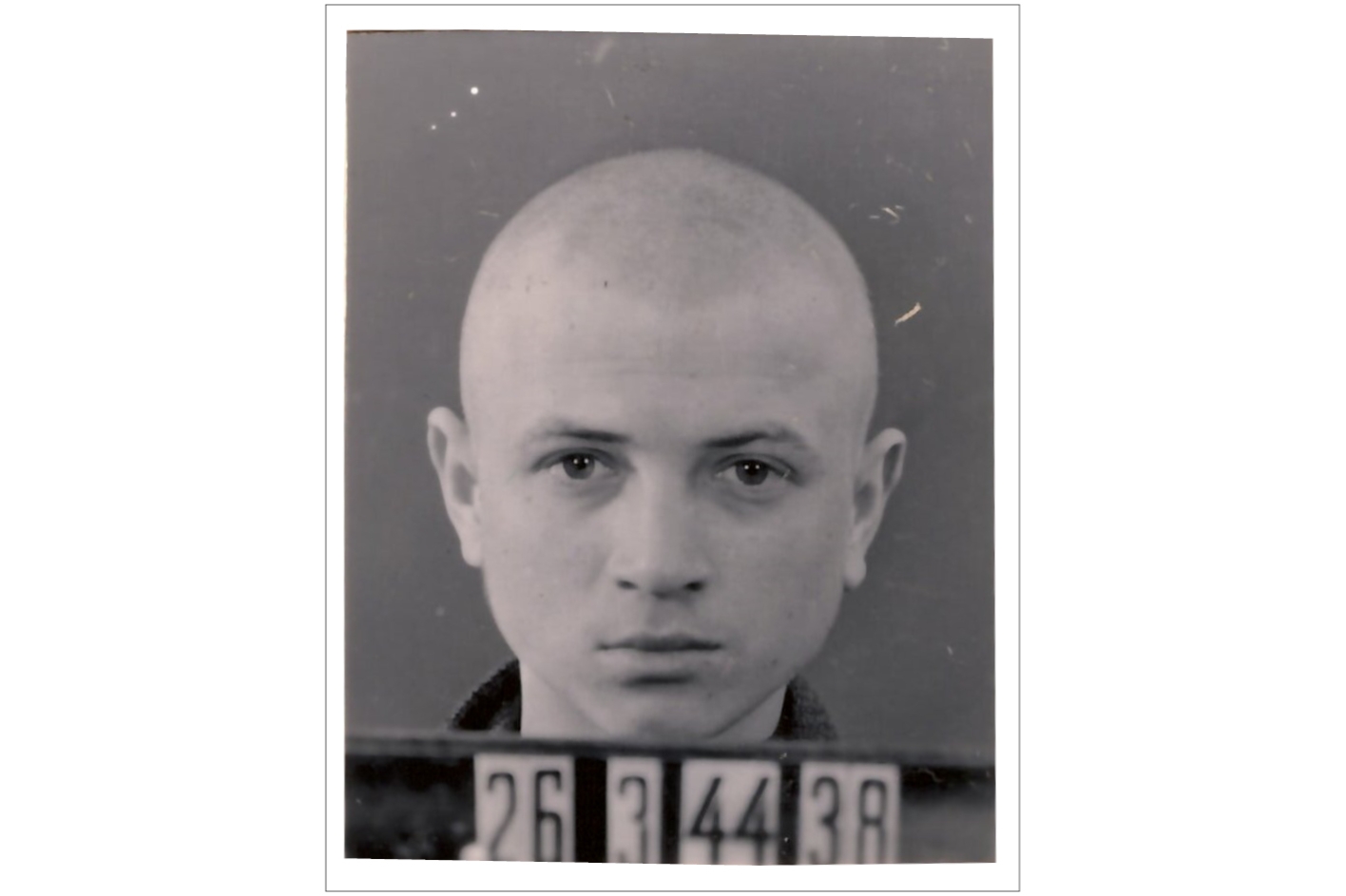
age 17, Ukraine, forced labour in Mannheim, Buchenwald, Langenstein-Zwieberge subcamp
©Arolsen Archives
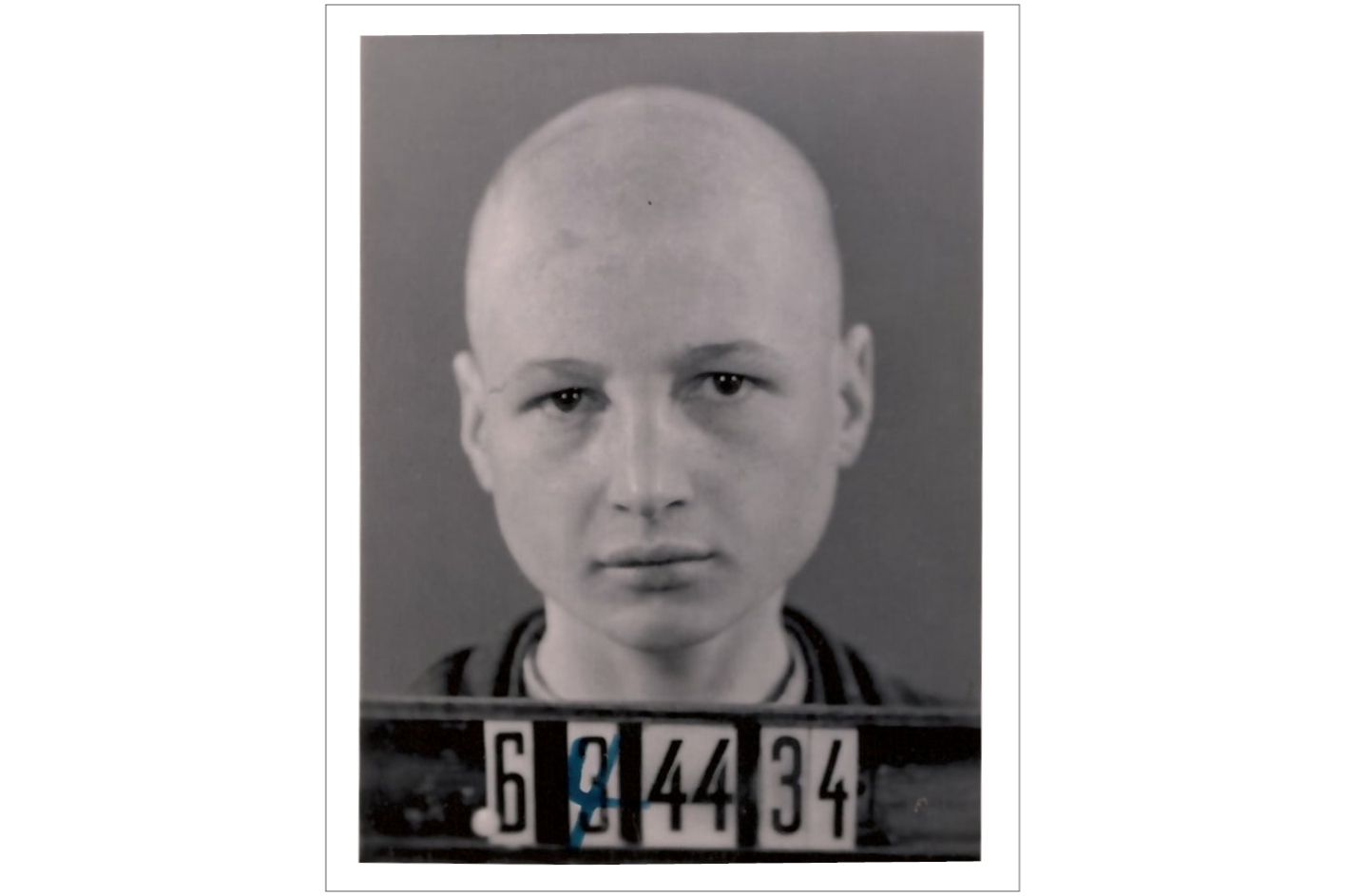
age 16, Ukraine, forced labour in Münster, Buchenwald, block 37
©Arolsen Archives
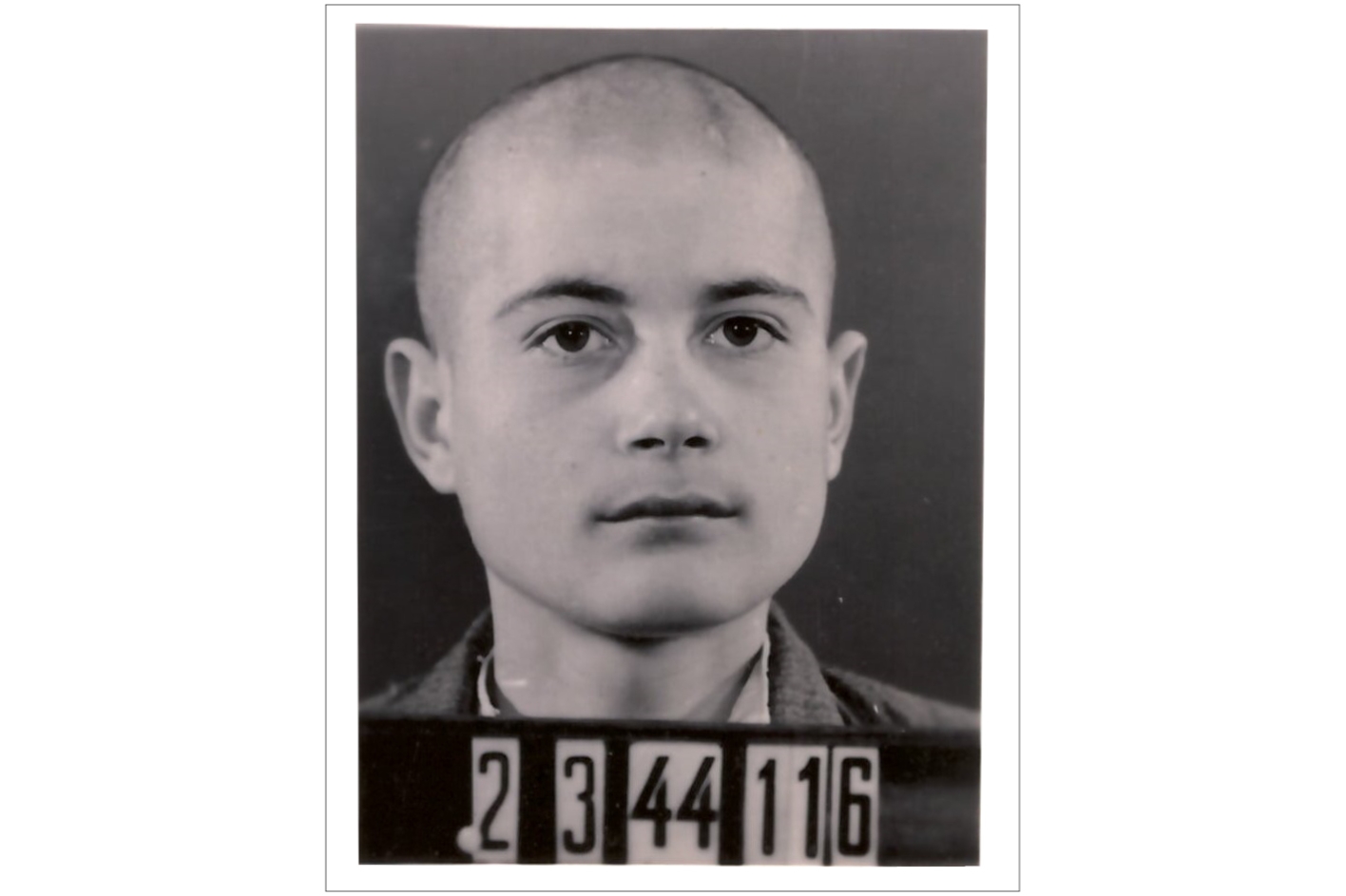
age 15, Ukraine, forced labour in Leipzig, Buchenwald, Langenstein-Zwieberge subcamp
©Arolsen Archives
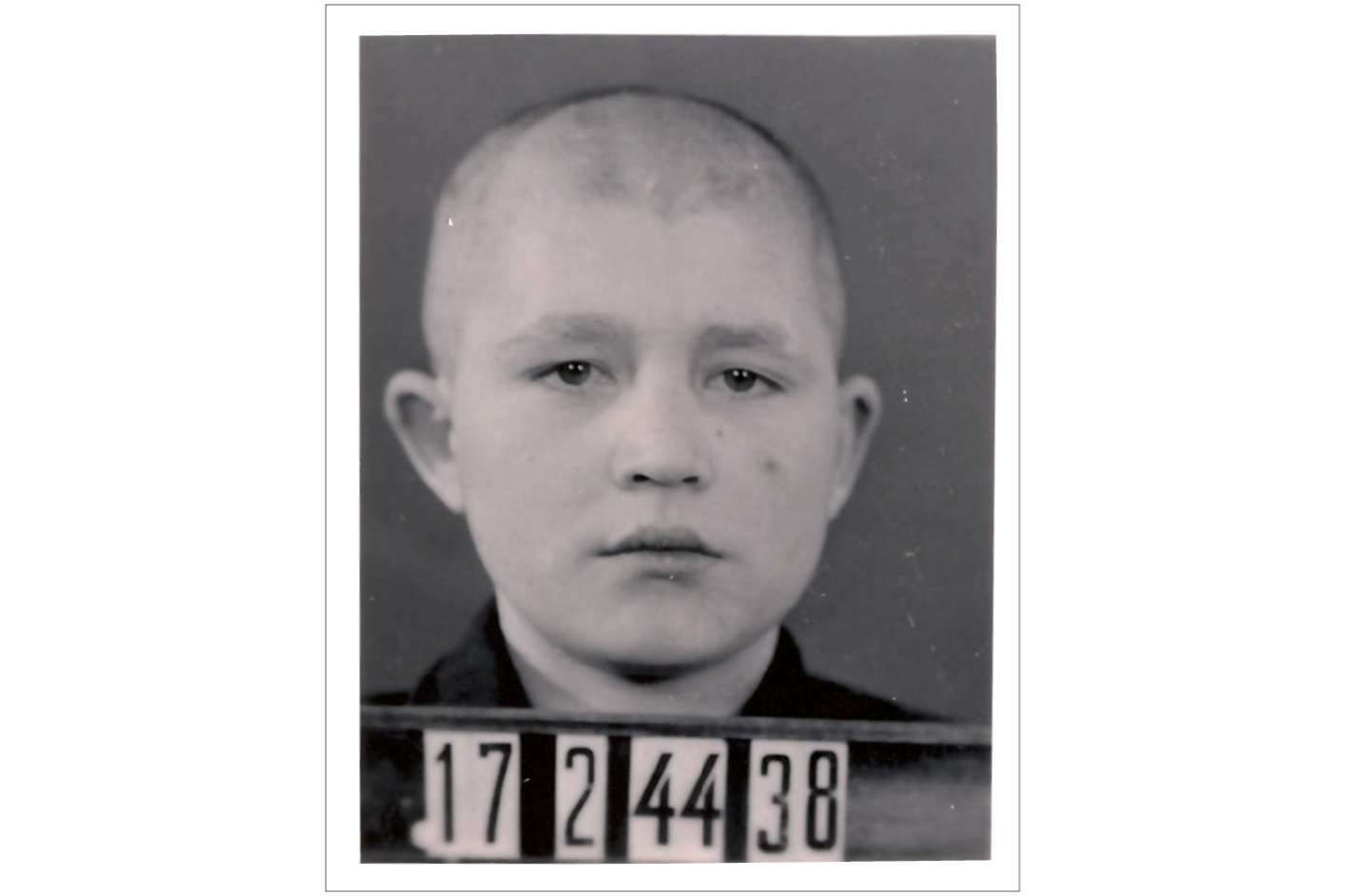
age 15, Belarus, forced labour in Zittau, Buchenwald, block 8
©Arolsen Archives
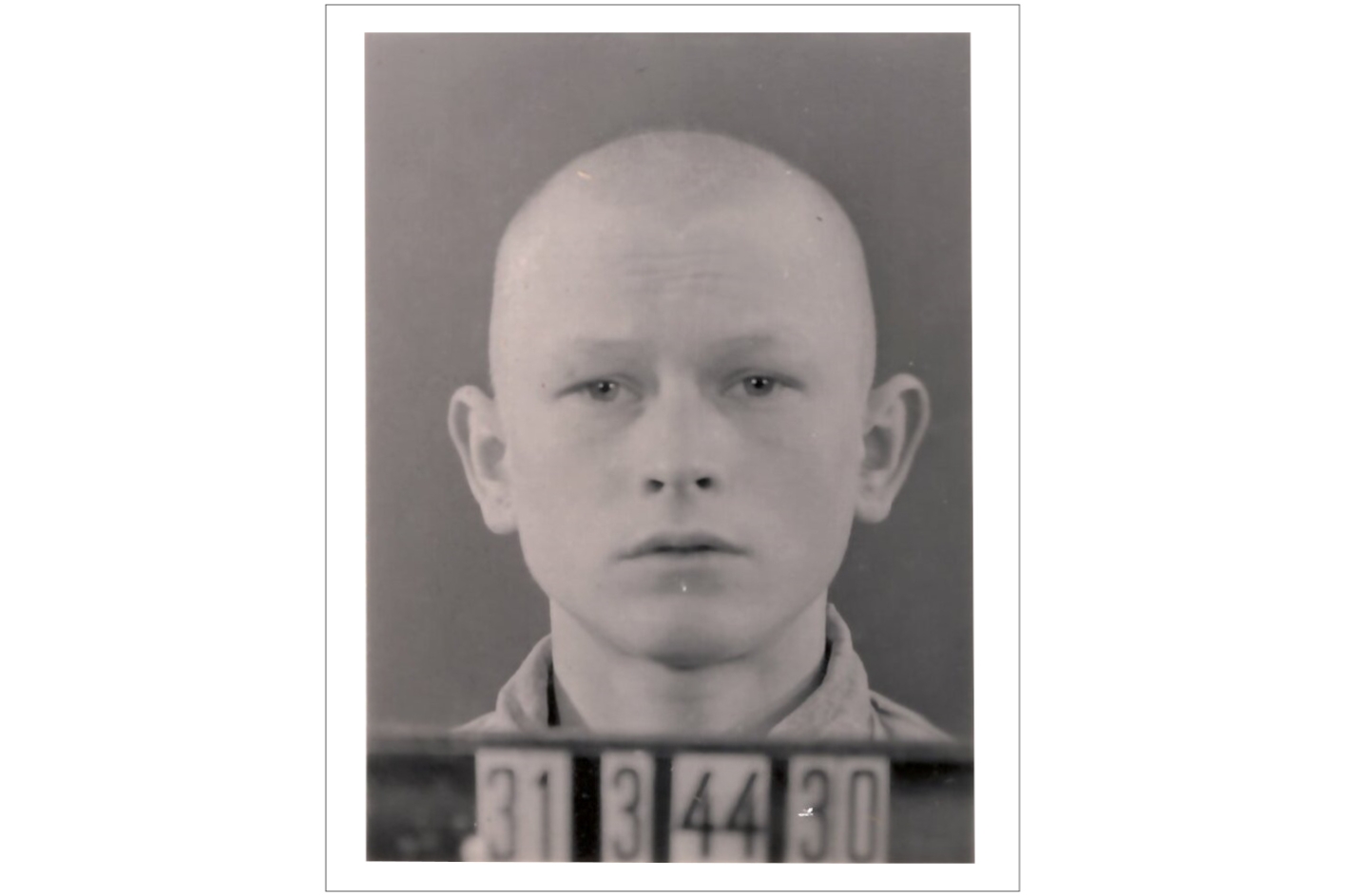
age 15, Russia, forced labour near Oberhausen (Ruhr district), Buchenwald, Hadmersleben subcamp
©Arolsen Archives
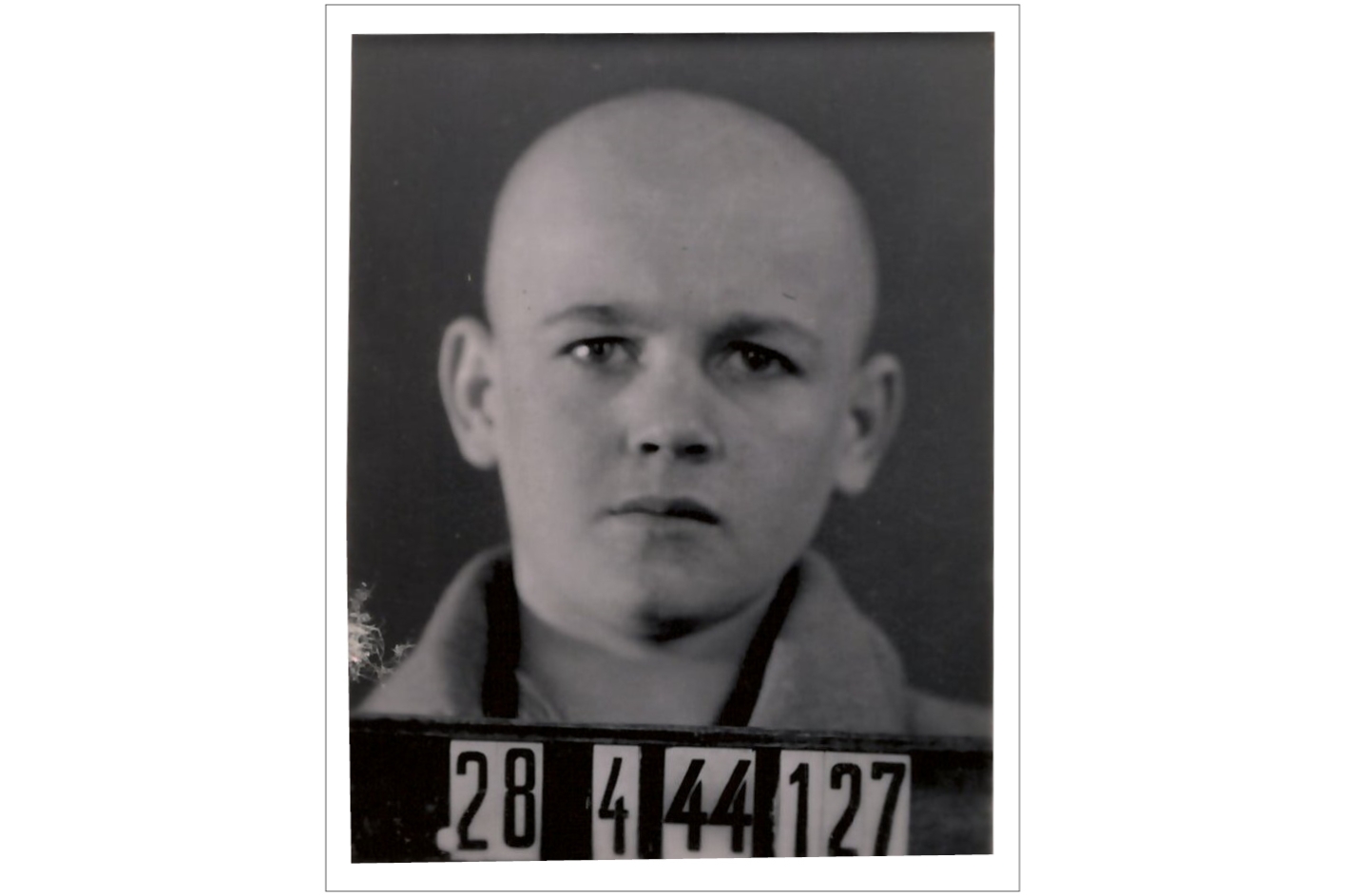
age 15, Ukraine, forced labour in Hagen (Westphalia), Buchenwald, block 8
©Arolsen Archives
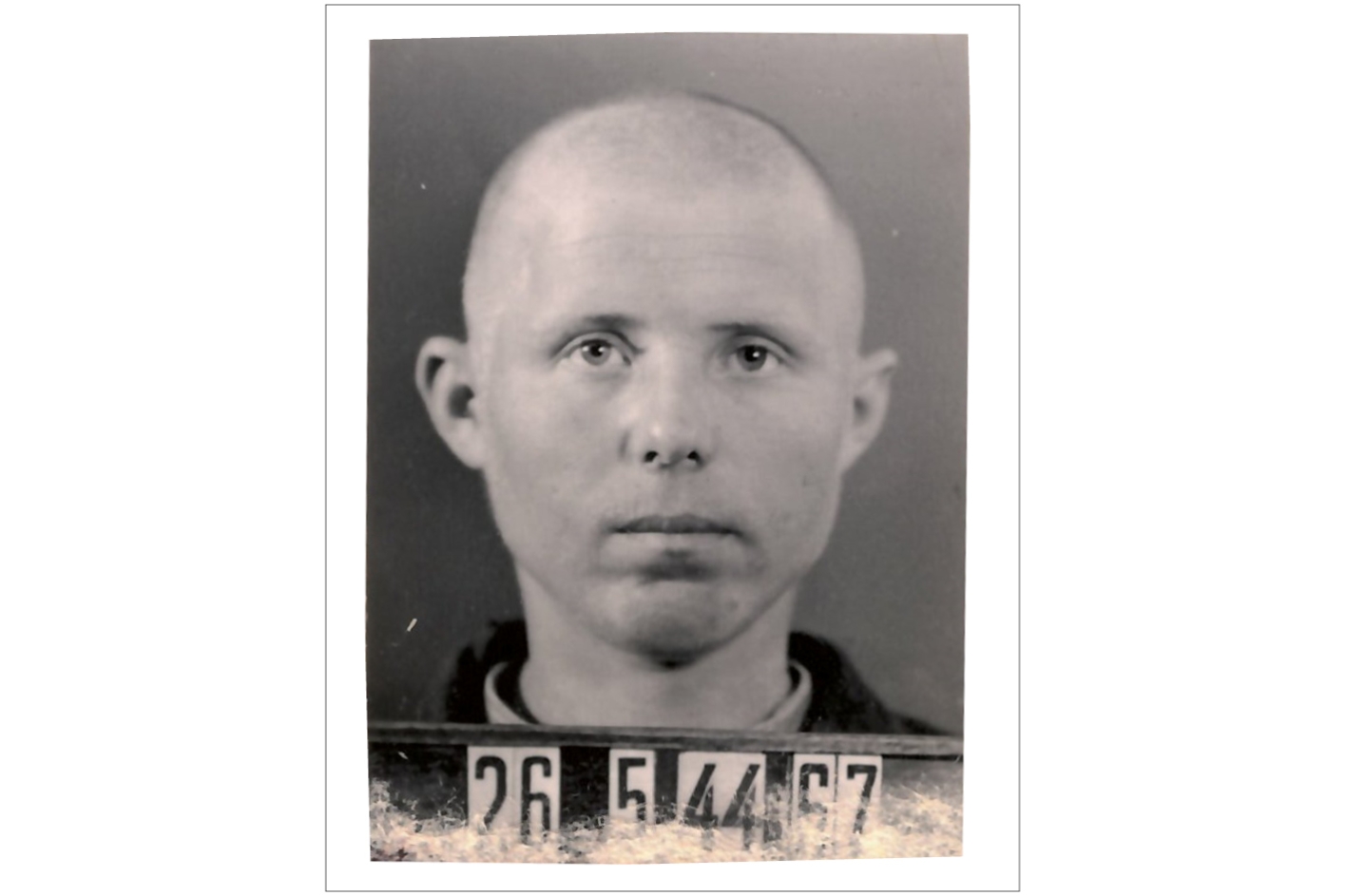
age 16, Russia, forced labour in Kassel, Buchenwald, Langenstein-Zwieberge subcamp
©Arolsen Archives
BLOCK 8
A wooden barrack 40 metres in length stood at this site. Because it was used to quarantine sick inmates for a time, it was surrounded by a fence. In 1942, the SS set up a department here for underage forced labourers of the ‘Buchenwald work education camp’. In the summer of 1943, on the initiative of political inmates, it was turned into the camp ‘children’s block’. Its western section housed Ukrainian and Russian boys, its eastern section (from 1944) Jewish children from Poland and Hungary. The inmates’ underground organization came to their aid. As a result, the barrack played a vitally important role for many of the adolescents housed here temporarily before being sent on to other camps, and it saved the lives of many children under 14. Altogether 328 of them were liberated in block 8.
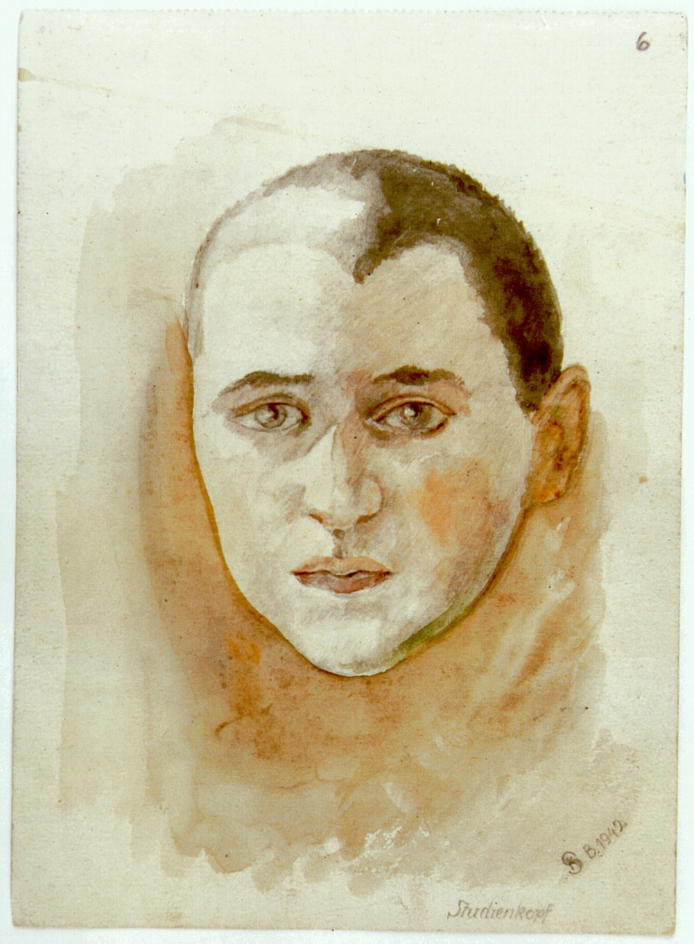
Karl Schulz (1901–1972), decorative painter, Buchenwald 1938–1945,
watercolor drawing, 1942. ©Buchenwald Memorial
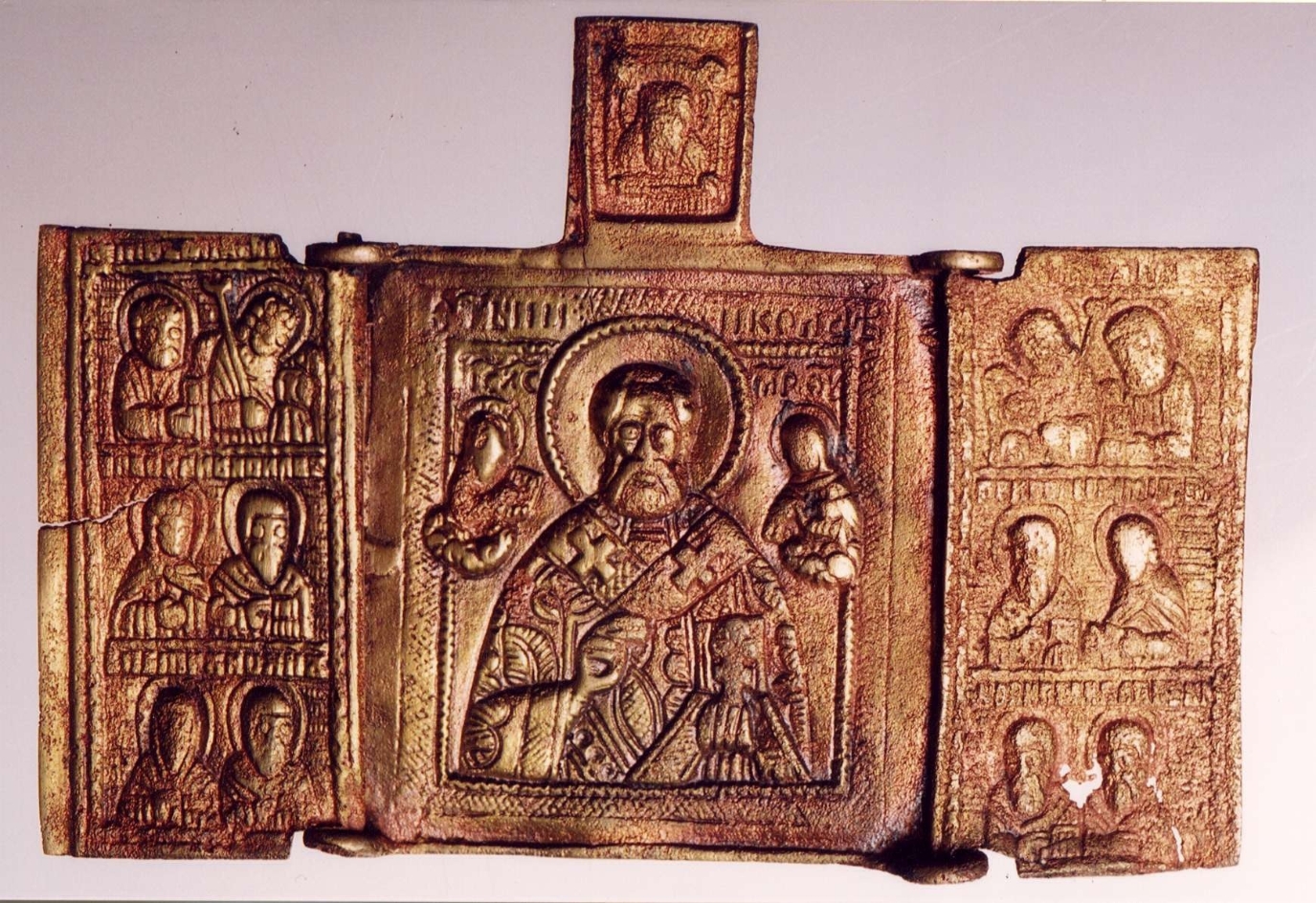
SURVIVAL
After the SS dismissed Franz Leitner from his function as block senior in October 1944 and put him in a cell in the camp prison, the teacher Wilhelm Hammann continued his work in block 8. The Russian and Ukrainian inmates Wladimir Cholopzew, Fjodor Michailitschenko, and Jakow Goftman assisted him in the barrack. The underground organization provided additional food, clothing, and medical aid. There was even secret school instruction. In early 1945, a second refuge for adolescents was established: block 66 in the Little Camp. Altogether 904 children and adolescents survived in Buchenwald.
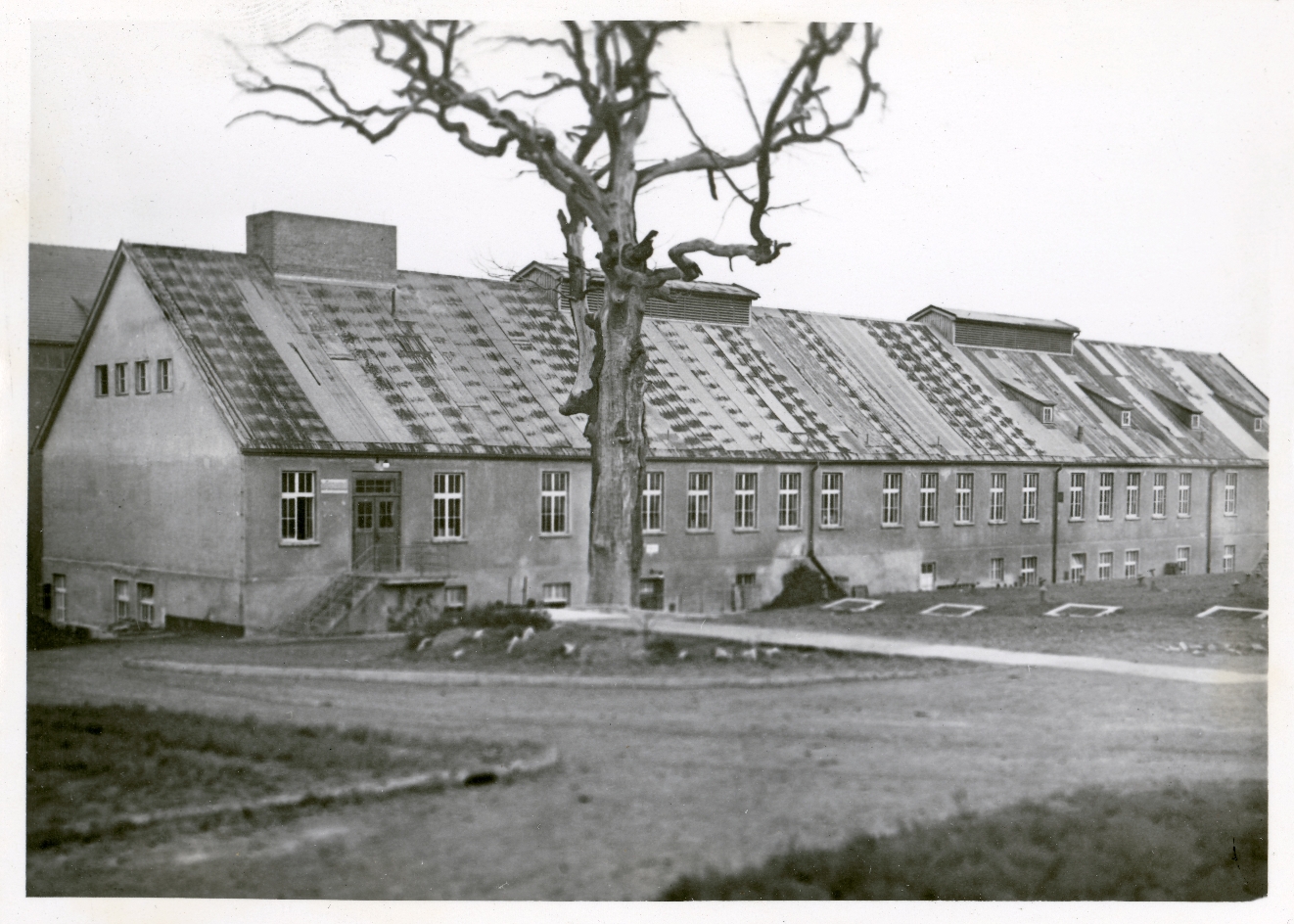
Baptist Feilen, the laundry kapo, had many Soviet adolescents from block 8 assigned to his detachment, where he was able to offer them some protection. ©Musée de la Résistance et de la Déportation, Besançon