A New Life in the United States
The Schwabe family had deep roots in Hanau, Hesse. The K. J. Cahn furniture and manufacturing business had been in the family for several generations. Karl Schwabe, born on 29 September 1891, had run the family business as managing director since 1921. His brother Willi was killed in action during World War I. Karl Schwabe also served in the war. He married Charlotte Heilbrunner in 1922 and had two children: Willi, born in 1923, and Eva Ruth, born in 1932. The antisemitic laws and degradation that began in 1933 took their toll on the family: Business declined and his son Willi was forced to transfer to a Jewish school.
In the summer of 1938, Karl Schwabe sold the store. After American relatives agreed to act as guarantors, he was hopeful that they would be granted a visa for the US. But things turned out differently. On the morning of 10 November 1938, two Gestapo officers arrested Karl Schwabe at his home. He spent a night with others in the Hanau prison. The next day they were transported by train to Weimar. The SS held him in Buchenwald for a month. On 10 December, Karl Schwabe returned to Hanau.
The family left Germany as quickly as possible. Their first stop, in January 1939, was England. They spent over a year in London before they were able to leave the country in May 1940. Their destination was Philadelphia in the United States. Karl Schwabe left his past as a merchant behind and embarked on a new career. He now supported his family by tuning and repairing pianos. Philadelphia became the Schwabe’s new home. Karl Schwabe died in 1967 at the age of 75.
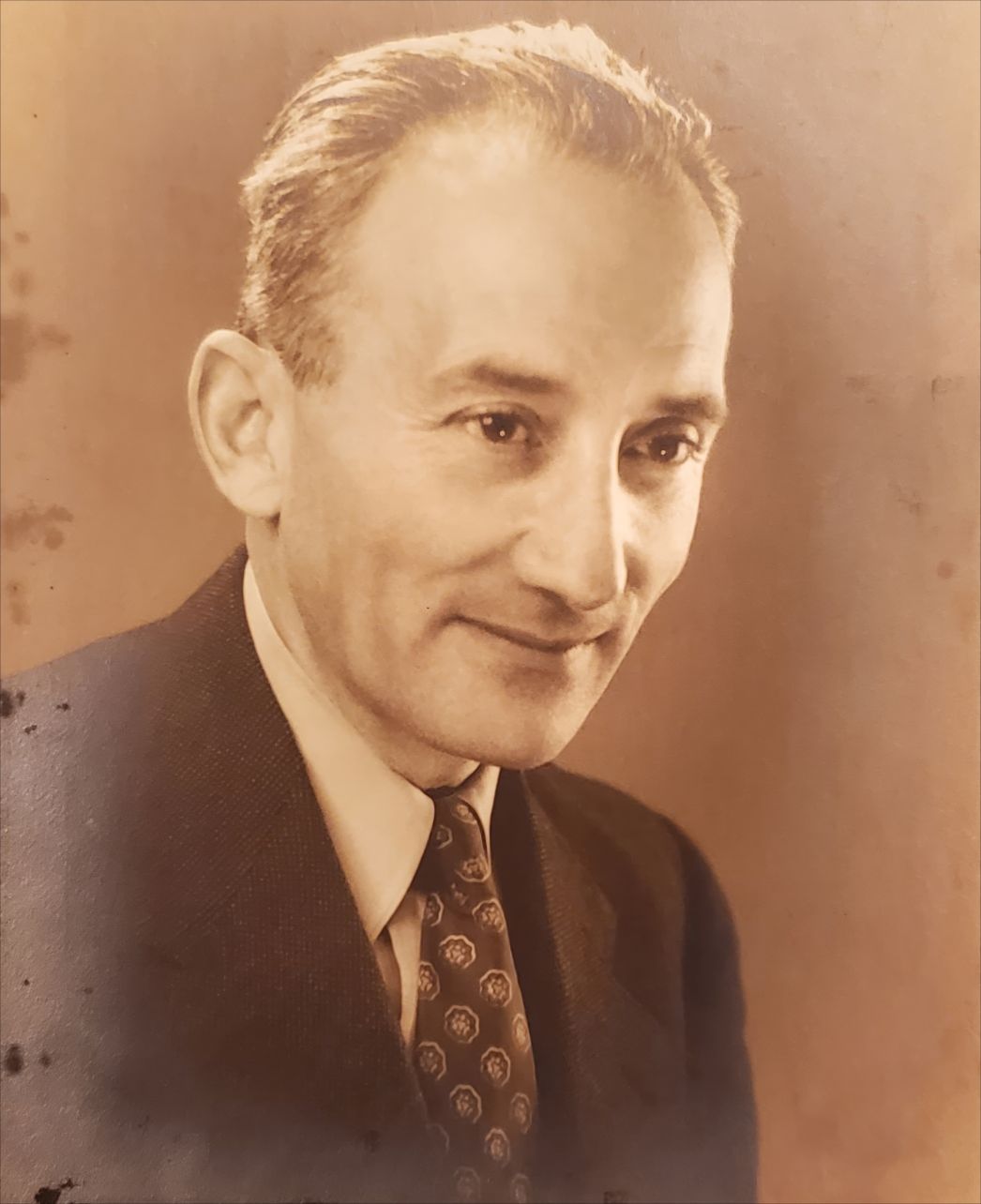
(Charles Andy Schwabe)
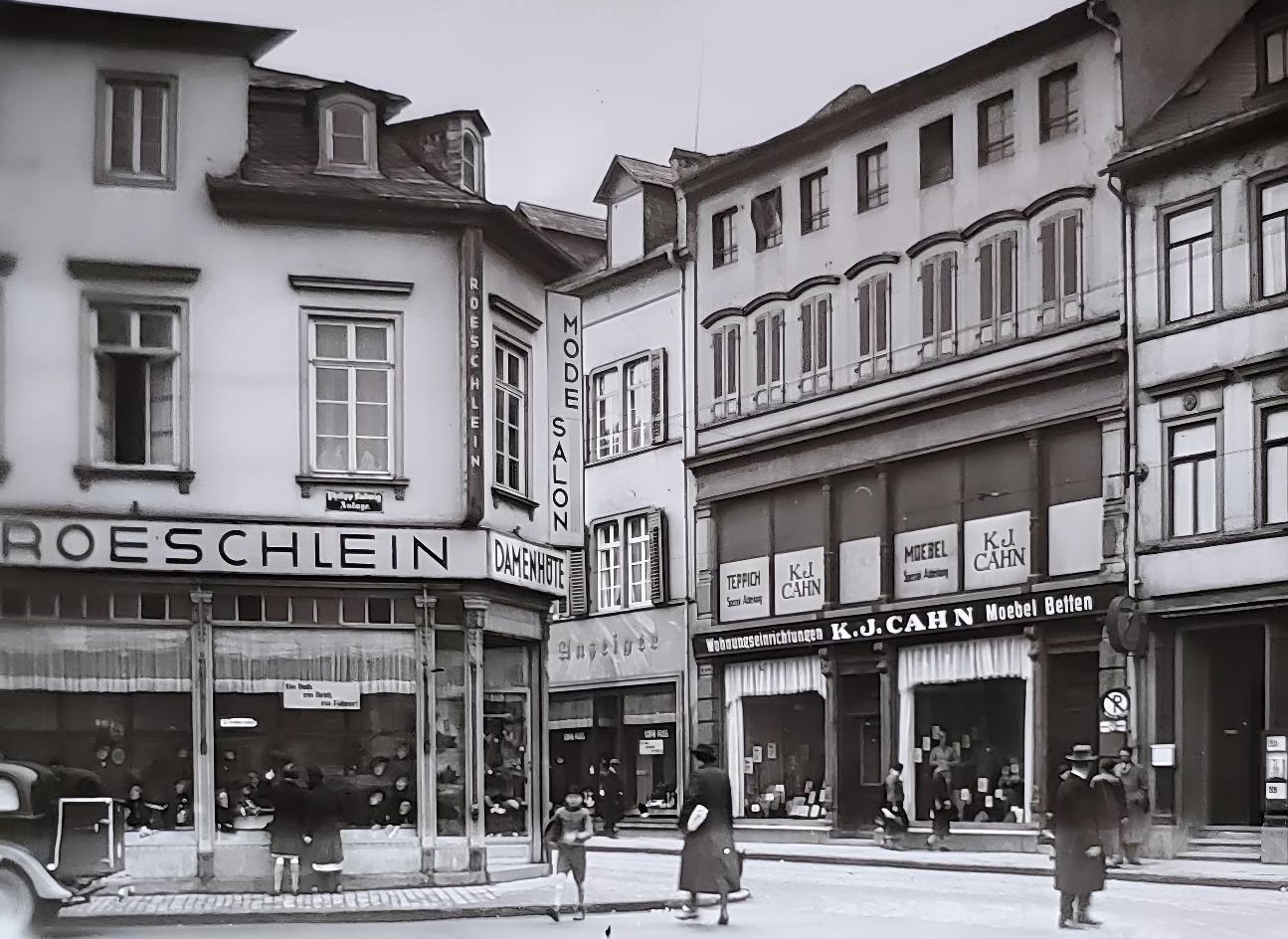
(Charles Andy Schwabe)
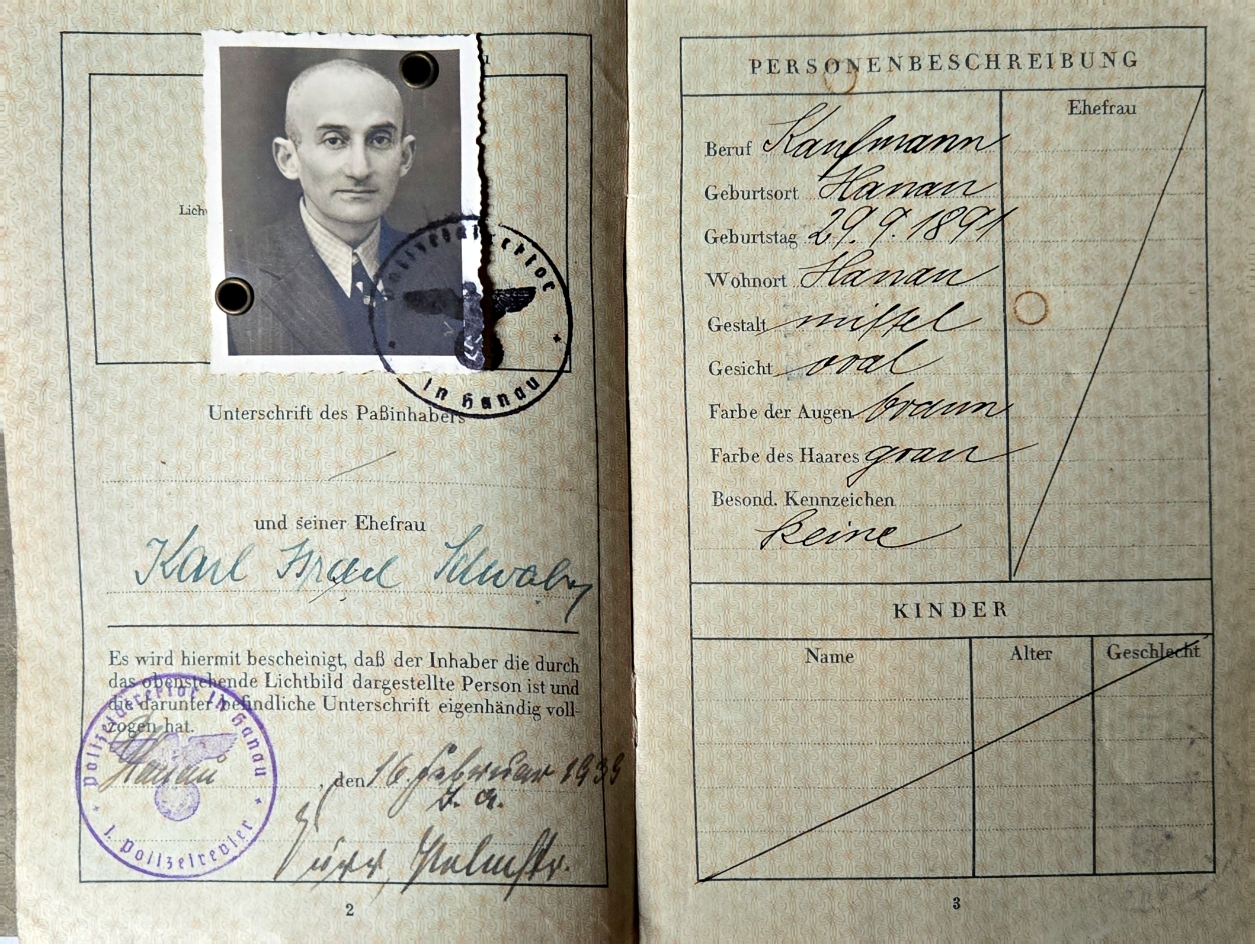
(Charles Andy Schwabe)
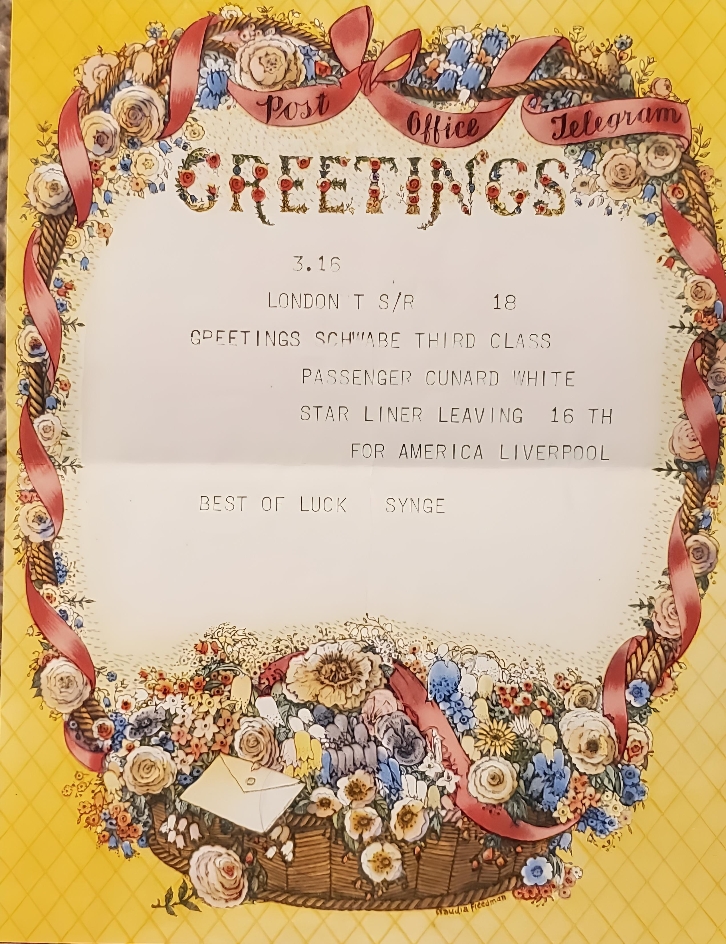
(Charles Andy Schwabe)
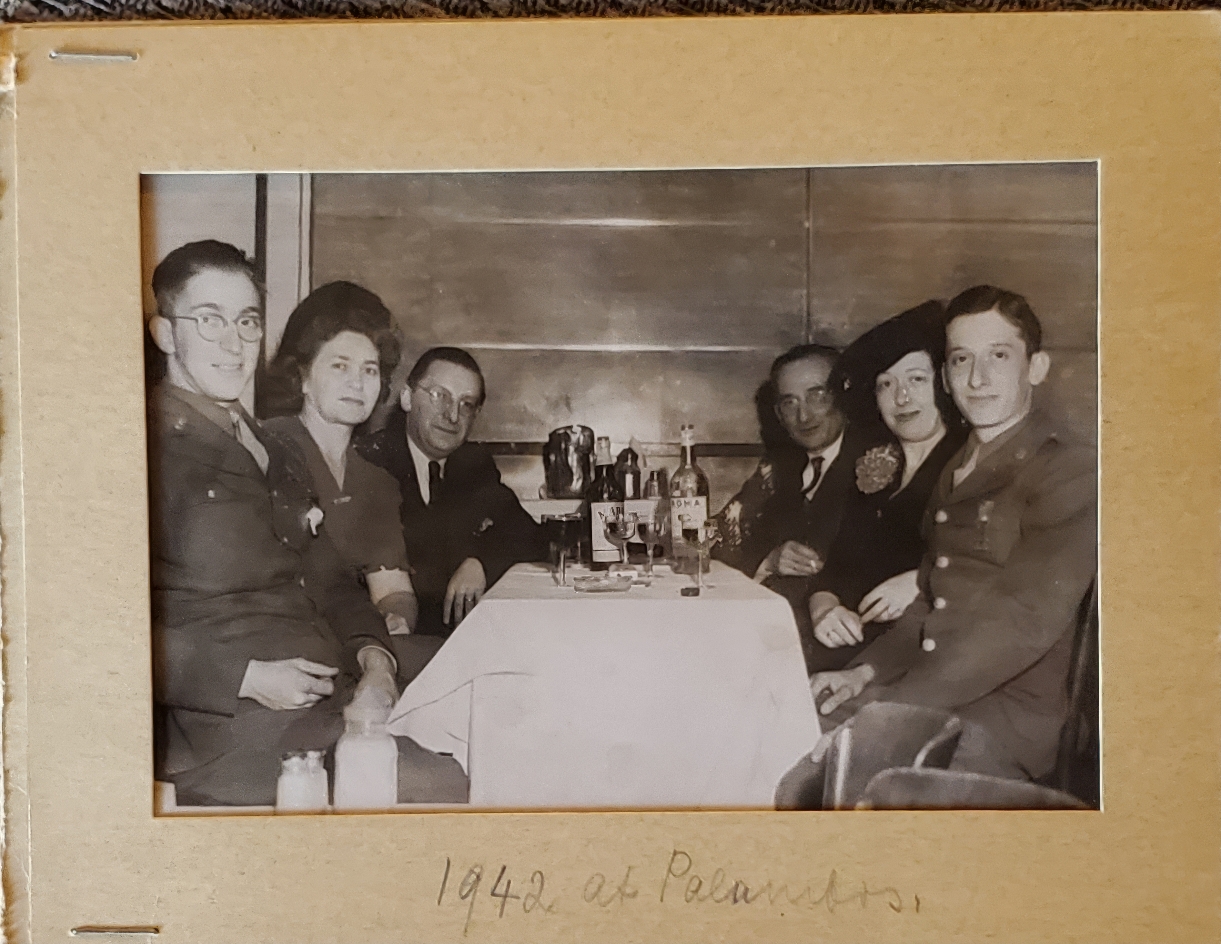
(Charles Andy Schwabe)
Karl Schwabe wrote the text ‘My Life in Germany’ while in exile in London. In it, he describes the weeks he spent in the Buchenwald concentration camp and his escape from Germany:
‘We were called out at about five o’clock in the morning. There was much jostling in the narrow corridors; nobody wanted to be last. In front of the barracks, the chaos was indescribable. It was dark and cold. Nobody knew what was going on. […] On the parade ground, the long-term prisoners lined up in endless rows for the morning’s work. The columns marched off in silence; the parade ground emptied. The guards from the previous evening reappeared. “Frankfurt here, Hanau here, Fulda here,” they called out, and the fellow countrymen tried to gather together. We were led out onto the parade ground. Endless lining up, forming ranks, and headcounts. It had grown light by then; the sun shone red through the trees behind the command post, and it was getting warmer. Now we could see just how many people had been herded together. We stood there all day without any purpose or reason. Time and again we were made to line up; SS men carried out checks; the elderly and the sick collapsed; there were beatings. Finally, towards evening, we were led back into the barracks. On that day, there was neither food nor drink.
That was my first day in Buchenwald; many similar ones followed. I cannot and will not describe all the details. It was a chain of endless physical and mental torment. […] On Monday, 13 November, after having stood all morning and early afternoon, we sat on the cold, bare floor from one to six. No one was allowed to stand up, no one was allowed to go to the toilet. SS men constantly walked between the rows, checking that we were facing the right way, beating us and hurling terrible insults. I saw people collapsing; an elderly gentleman, no longer able to sit, had stood up and was dragged past us, kicked and beaten; on that day, people were literally beaten to death. Many soiled themselves. There was neither water to wash with nor a change of clothes. At night, the prisoners became even more hysterical. The guards threatened to shoot into the barracks. Several people ran towards the electrified barbed-wire fence; in the morning I saw naked corpses lying in the mud.
Things improved slightly over time. The abuse subsided. […] The days passed; it was always the same. The filth, diarrhoea, boredom and the endless waiting wore on our nerves.’
(Carl Schwabe: Mein Leben in Deutschland vor und nach dem Jahre 1933, London 1939, abgedruckt in: Neues Magazin für hanauische Geschichte. Mitteilungen des Hanauer Geschichtsvereins 1844 e.V., 2014)