Escape to Australia
Leopold Herzberg, son of Josef and Bertha Herzberg, lived in Gütersloh, where he was born on 22 September 1891. He passed his school-leaving examinations and trained as a commercial clerk. When World War I began, the 23-year-old enlisted and fought at Verdun, and elsewhere. He was awarded the Iron Cross for his service. After the war, Leopold Herzberg returned to Gütersloh, where he ran a shop for household goods and kitchen appliances. In 1926, he married Ella Mendels. They had two children, Ursula and Walter.
On the night leading into 10 November 1938, the watchmen woke Leopold and Ella Herzberg. Their shop windows had been defaced. They were still busy removing the graffiti when a group of SS men stormed into the shop. They destroyed the entire inventory; someone threw a stone that only narrowly missed their son Walter, who was inside the house. SA and SS men beat Leopold Herzberg in the street. He was taken away in the early morning hours. The next day, he was brought to Bielefeld, where the detainees were crowded into a sports hall that was already holding 500 men. Early in the morning, they were herded to the railway station. Leopold Herzberg spent more than two weeks in Buchenwald. He was released on 27 November. His family had been able to secure his release by presenting an entry permit for Australia.
The families of Leopold Herzberg and his sister Käthe Mendels left together on 8 March 1939. Their mother, Bertha, was also on the ship, which set sail from Rotterdam. Seven weeks later, they arrived in Sydney. They built a new life for themselves in the Australian metropolis. Leopold Herzberg died in 1957 at the age of 65.
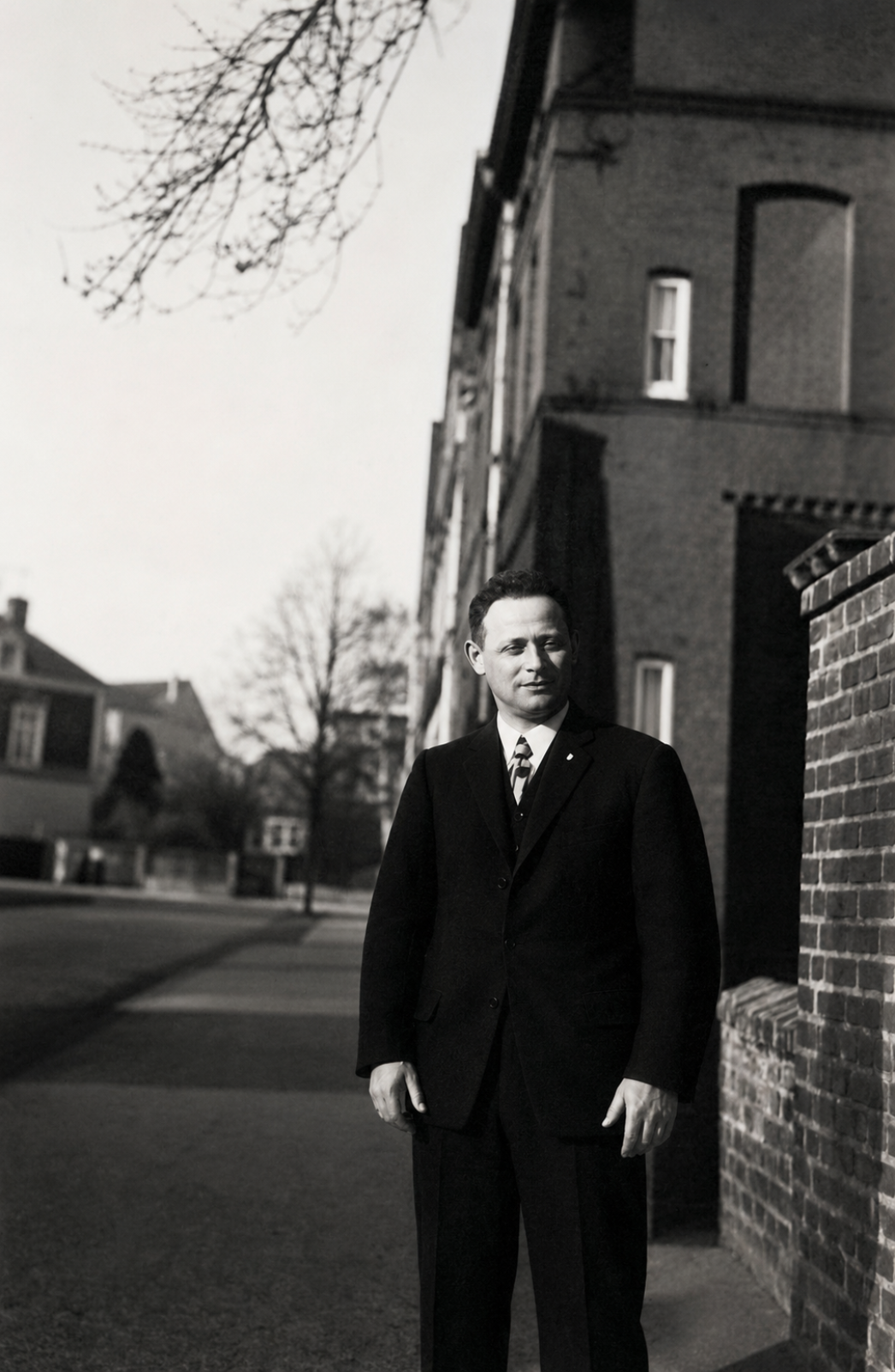
(Nathan Cher)
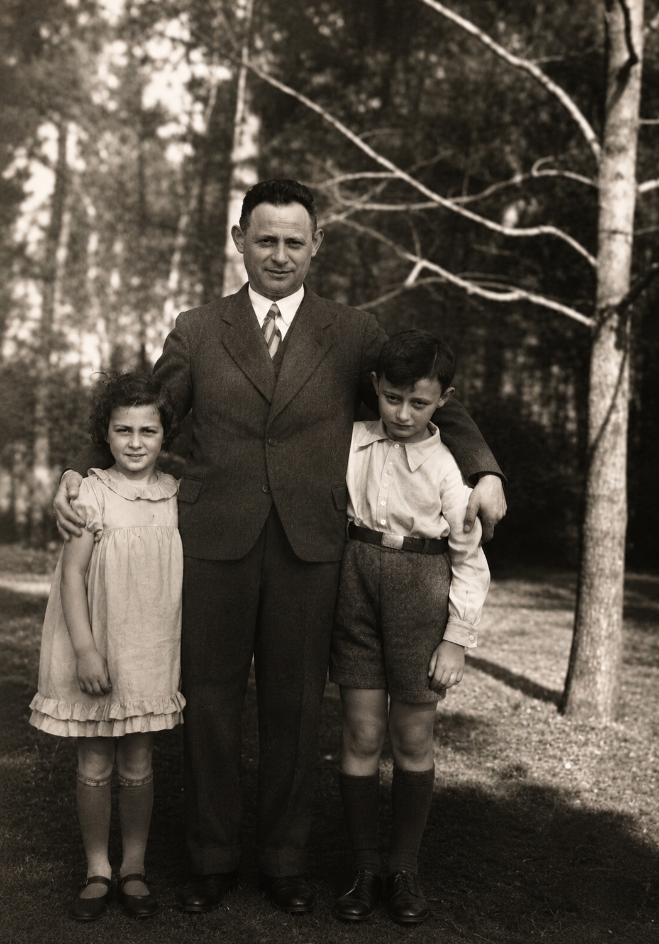
(Nathan Cher)
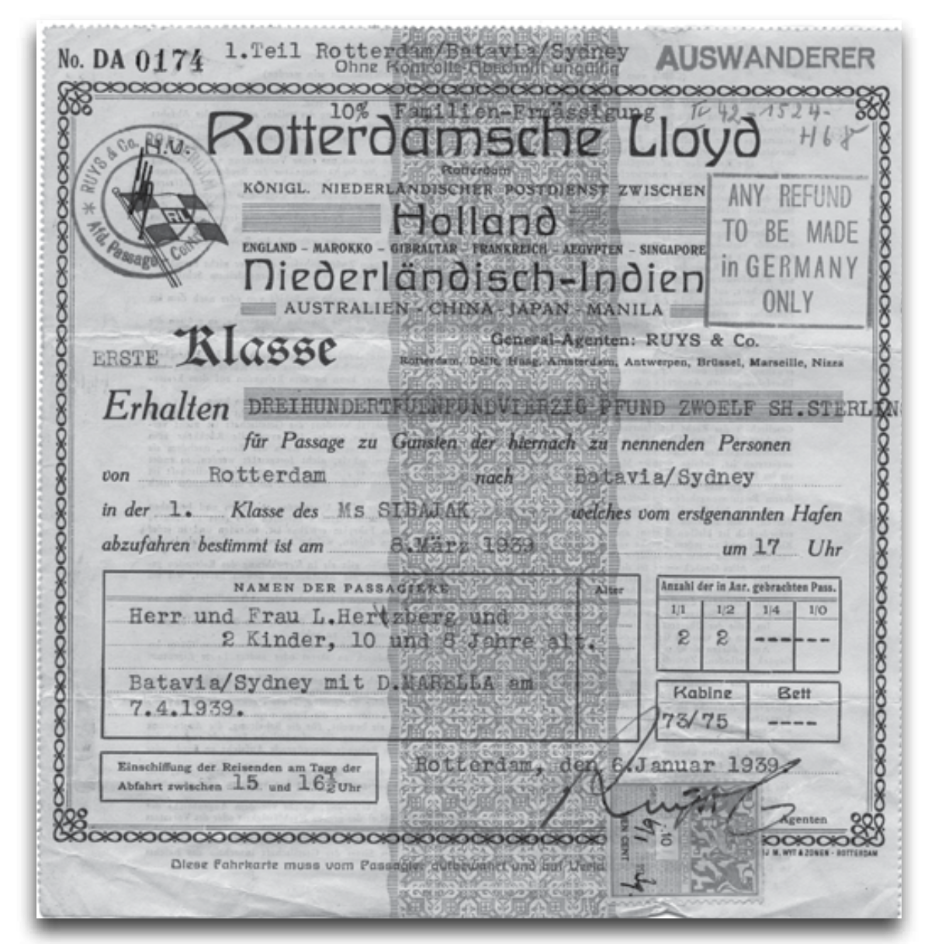
(Nathan Cher)
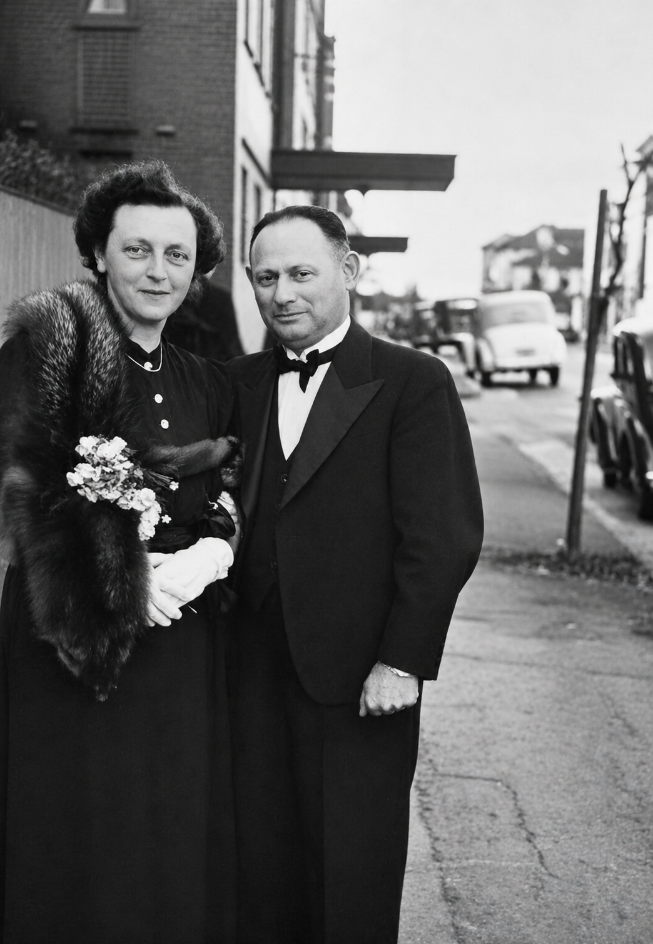
(Nathan Cher)
Leopold Herzberg’s account of his experience in Buchenwald, which he began writing in Sydney in 1941, remained unfinished. He had become so agitated while writing it that his wife forbade him from continuing.
‘It is dark when we disembark in Weimar, feeling rather stiff from the long journey. Men stand on the platform in grey-green uniforms, armed with carbines, and waiting to take charge of the transport. They belong to the SS deployment force ‘K’ (concentration camp) […]. After a few minutes […] the command rings out: “Four at a time, fall in here, […] and get a move on or I’ll see that you do.” Four men run to the designated spot, about 50 metres away. Terrible screams tear me from my dreams; I have no idea what is going on, but before I know it, the order comes: “The next four” – and “get going, get going”. Once again, four men set off running, and I see how they stumble, one after the next, only to be beaten brutally and savagely with carbines and truncheons. The screams of those being beaten and the ranting and raging of the SS is bloodcurdling, but I pull myself together and watch, and see that SS men are standing on the platform on the right and left, holding out their legs or carbines to trip up those running towards them, causing them to fall. Now it’s my turn; I set off running like a hare, leaping over legs and carbines, dodging them […] and then I stand, breathless, in line with the others.
That was the first act, but the intermission doesn’t last long. Once we’ve been counted, it starts all over again, this time down the stairs to the bottom of the underpass, where four men at a time are beaten senseless, as if they were pieces of wood. I get through unscathed again, but for the less agile and the elderly, it’s dreadful. Down in the tunnel, the five of us have to line up behind one another, facing the wall. Behind us, around us, the SS rage like a pack of wild devils. […] But the next command comes: ‘Seven men, off you go – ready to run, you dogs?’ […] This time we’re taken right up to the station building, where a row of military vehicles is parked. With a single leap I’m on top, grabbing a spot toward the middle, and refusing to be pushed aside, even as more and more people are thrust violently onto the trucks. The mob continues to rage; we are being crammed together more and more tightly. […] We are drenched in sweat, gasping for breath from the exertion and agitation. […] A little less than half an hour later, we reach our destination.’
(Gedenkstätte Buchenwald)