As a Teenager in Buchenwald
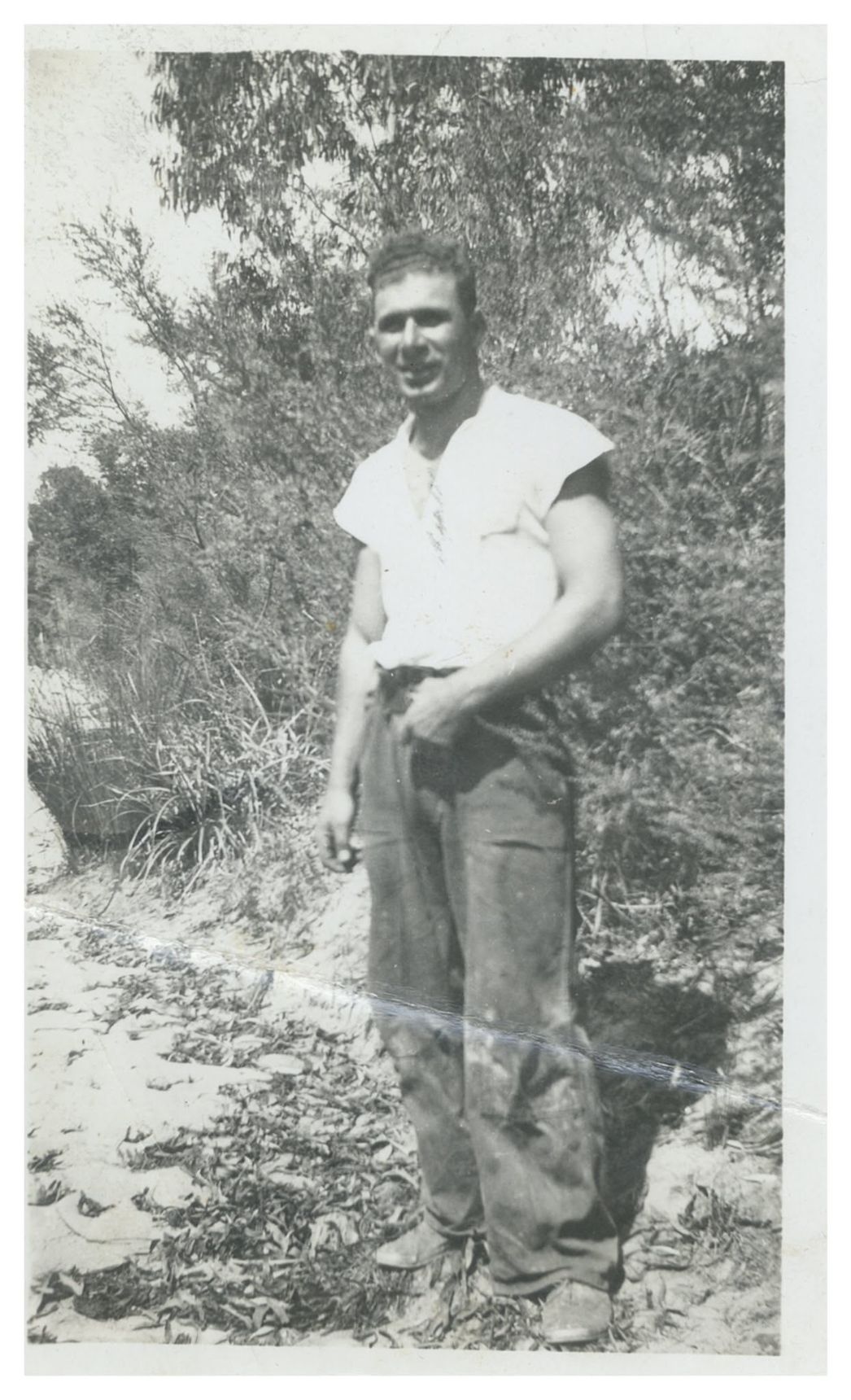
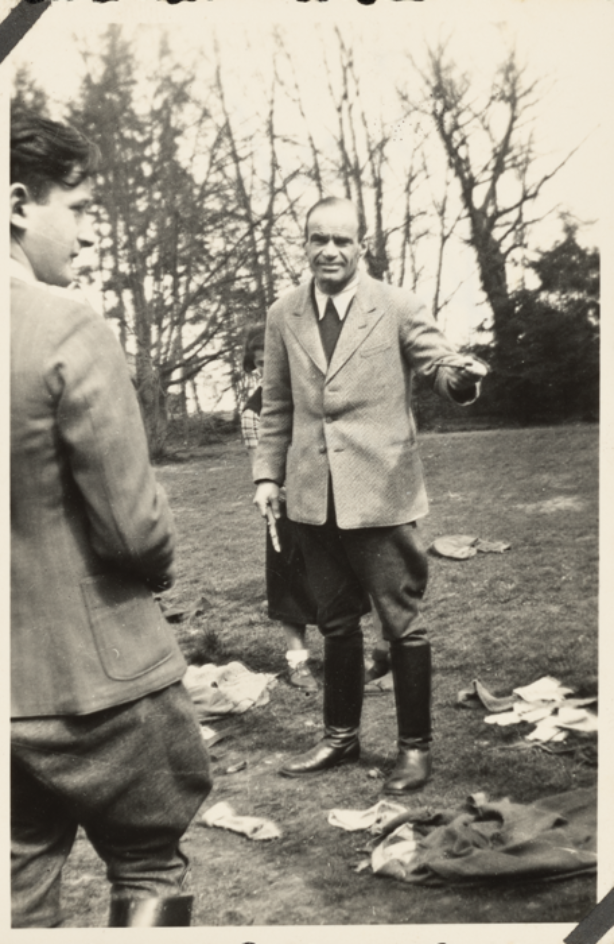
Hermann Pollnow was born in Berlin on 9 August 1920 and grew up there. His father was a doctor, and his family was not very religious. In early 1938, his parents decided to send their 17-year-old son to the Jewish emigration training farm in Groß-Breesen near Breslau (now Brzezno Trzebnica near Wrocław). As antisemitism spread and became more radicalised, they saw no future for their son in Germany. At Groß-Breesen, Jewish youths such as Hermann Pollnow received agricultural training to prepare for emigration overseas.
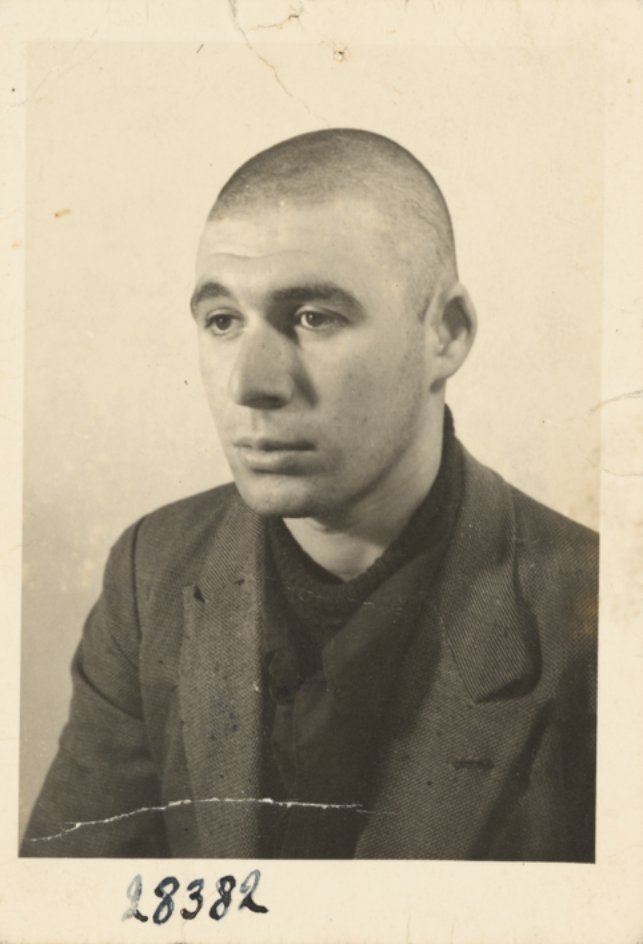
On the morning of 10 November 1938, SS men stormed and ransacked the training farm. They arrested all the men over 18, including Hermann Pollnow. They were taken to the police prison in Breslau and sent from there to Buchenwald concentration camp the following day. The SS held Hermann Pollnow in Buchenwald for over three weeks. He returned to Groß-Breesen in early December 1938.
The training farm management tried desperately to get the men who had been released from Buchenwald out of Germany. Hermann Pollnow initially found refuge in the Netherlands. He and some other boys from Groß-Breesen were able to emigrate from there to Australia, where they arrived in July 1939. He spent a year at the Kuitpo Industrial Colony, an agricultural training camp in the Adelaide Hills. He worked on farms and enlisted in the Australian Army. After the war, he studied medicine in Sydney and became a doctor. Harry Peters – as he had been known since immigrating – led a fulfilling life in Australia and started a family there. He died in 2021 at the age of 100, one of the last survivors of the special pogrom camp.
(Tess Scholfield-Peters)
(Tess Scholfield-Peters)
(Tess Scholfield-Peters)
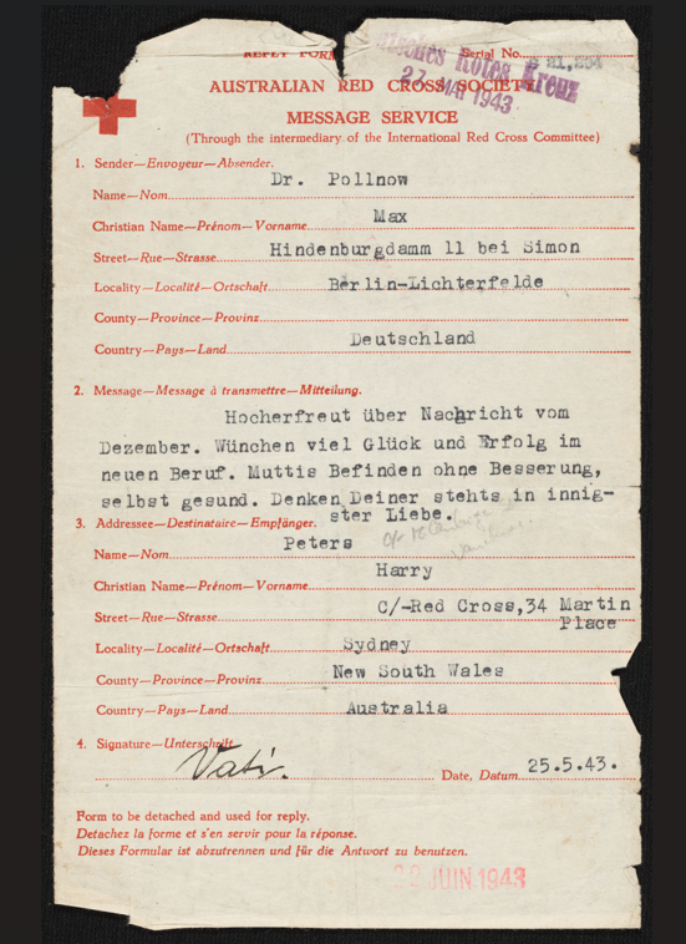
(Tess Scholfield-Peters)
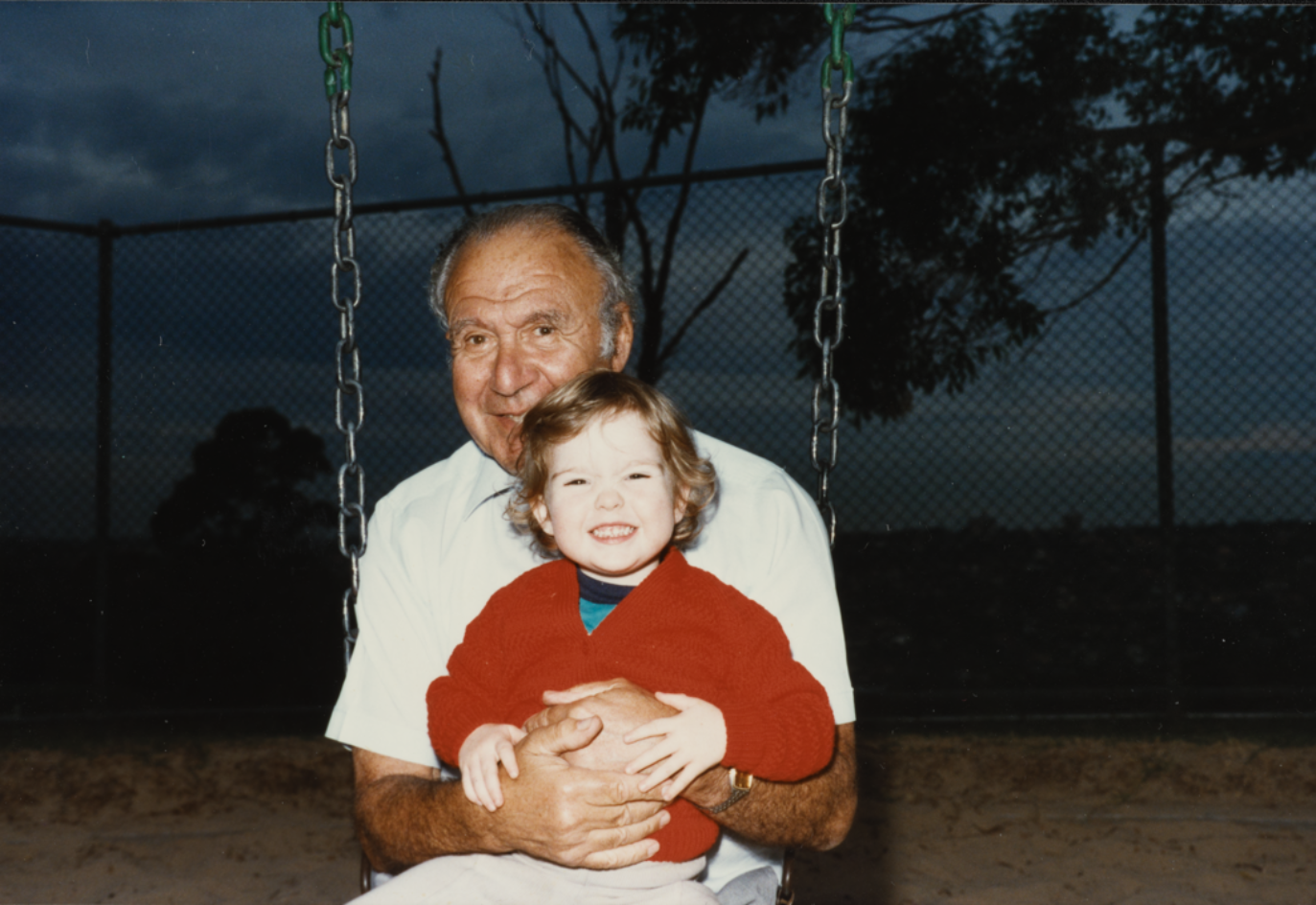
(Tess Scholfield-Peters)
In a 1997 interview for the USC Shoah Foundation in Sydney, Harry Peters speaks about his time in Buchenwald concentration camp:
‘When we got there, it was a big parade ground, it was pretty [dark], it was November […] and what I remember is that we had to stand up for many hours because they said that the facilities weren’t ready to take us […]. And quite a few people, especially elderly […] couldn’t stand up for that long, [for] hours. Finally, we were allotted to barracks, it was wooden barracks and that’s where we stayed day after day. Separated from the main camp where other prisoners, non-Jewish prisoners, communists and Jehovah’s Witnesses […] and other […] prisoners [were interned]. But we had nothing to do with them. Except that when we got there […].
[I was 18 when I was in Buchenwald.] […] [When I arrived there], I had a feeling of extreme abandonment, I was abandoned and terribly lonely even though […] some of the Groß-Breesen boys were with us but we were probably in a state of shock and we couldn’t comprehend what was happening. And certainly, even at that time, we didn’t think about what was going to happen to us, if we were going to be killed or… […]. The whole process was just incomprehensible to us. And we didn’t get any encouragement or any signs of hope. So I think that […] we were very lonely. […]
[In the camp], we saw a few people getting flogged, not Jews, others and that was all done fairly publicly, and pretty brutally. And we sometimes heard cries from people that [were] probably being mishandled. In our own compound we had to collect the older people that died there. Maybe of heart attacks or untreated illnesses and then had to label them. But other than that, we didn´t see much.’
(USC Shoah Foundation)