
Escape to the United States
Fritz Schürmann was born in Hildesheim on 8 January 1915. His father, Willy, ran an award-winning custom tailoring business there. After completing his apprenticeship as a tailor, Fritz was expected to follow in his father’s footsteps and take over the business. But things turned out differently. In May 1938, the Gestapo forced Willy Schürmann to hand over his customer files and vacate his business premises. With the help of a few loyal employees, the Schürmann family continued running their business from home until November 1938 when they were forced to liquidate.
On the night leading into 10 November 1938, two SS men and a Gestapo officer broke into the family’s home. Fritz and Willy Schürmann were arrested. The following day, the police and the SS herded the Jewish men through Hildesheim, past the destroyed synagogue, to the railway station. They were taken via Hanover to Buchenwald. Willy Schürmann was released from the camp on 26 November 1938, but the Gestapo kept him in prison until he agreed to sell his house. Fritz Schürmann was finally released from Buchenwald concentration camp on 14 December 1938, after he had received a sponsorship guarantee from the US.
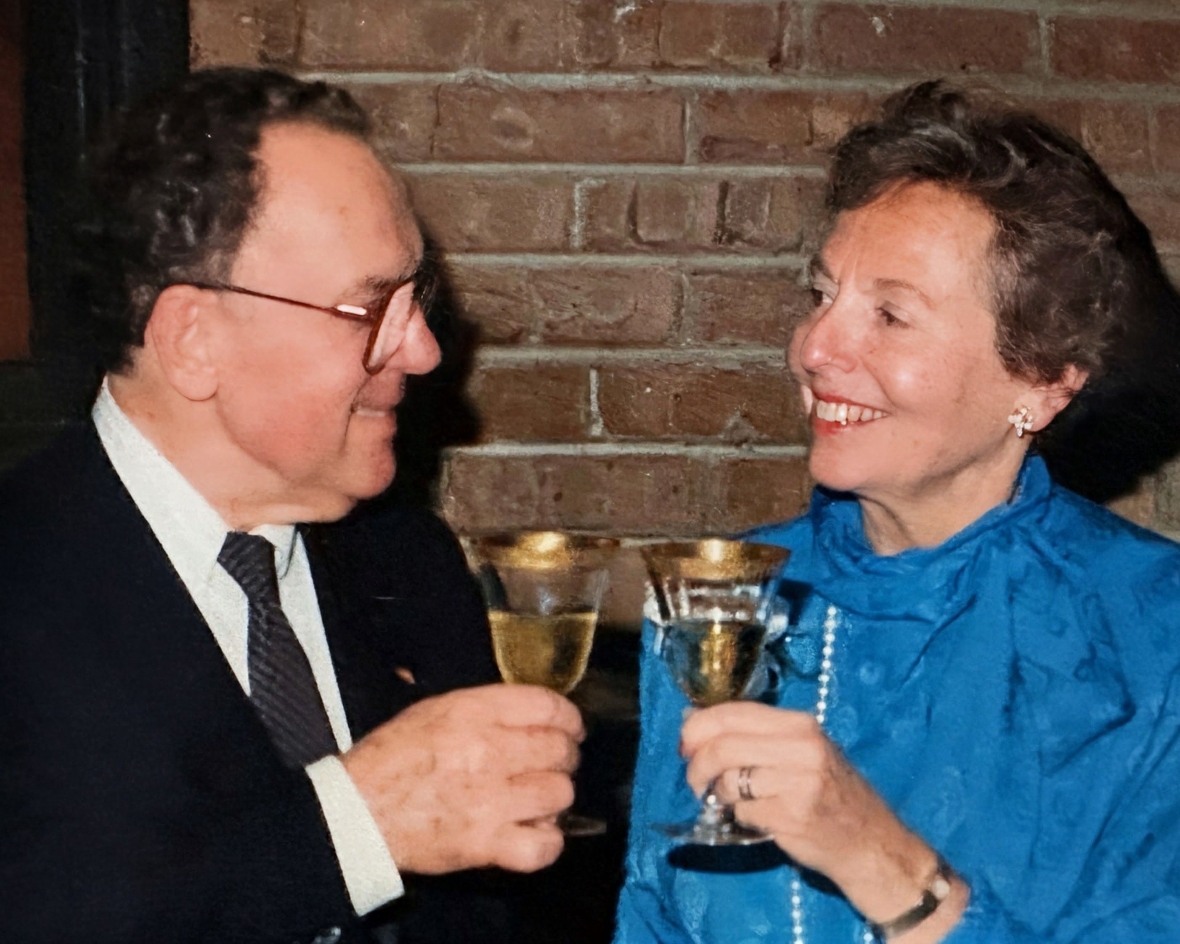
In June 1939, Fritz Schürmann emigrated to England. While waiting for his US visa, he lived at Kitchener Camp in Kent, a transit camp for Jewish refugees. On 1 May 1940, he was able to travel to the US. His family followed him in 1941. Fritz Schürmann settled in Chicago, where he worked as a tailor until he enlisted in the Army in 1943. He served in the Intelligence Corps as a translator and interrogated German prisoners of war in the US. In September 1945, he married Margery Moses, who also worked in the military. They had two children: Daniel and Beverly. After the war, Fritz Schürmann worked as a designer. He died in Chicago in 1999 at the age of 84.
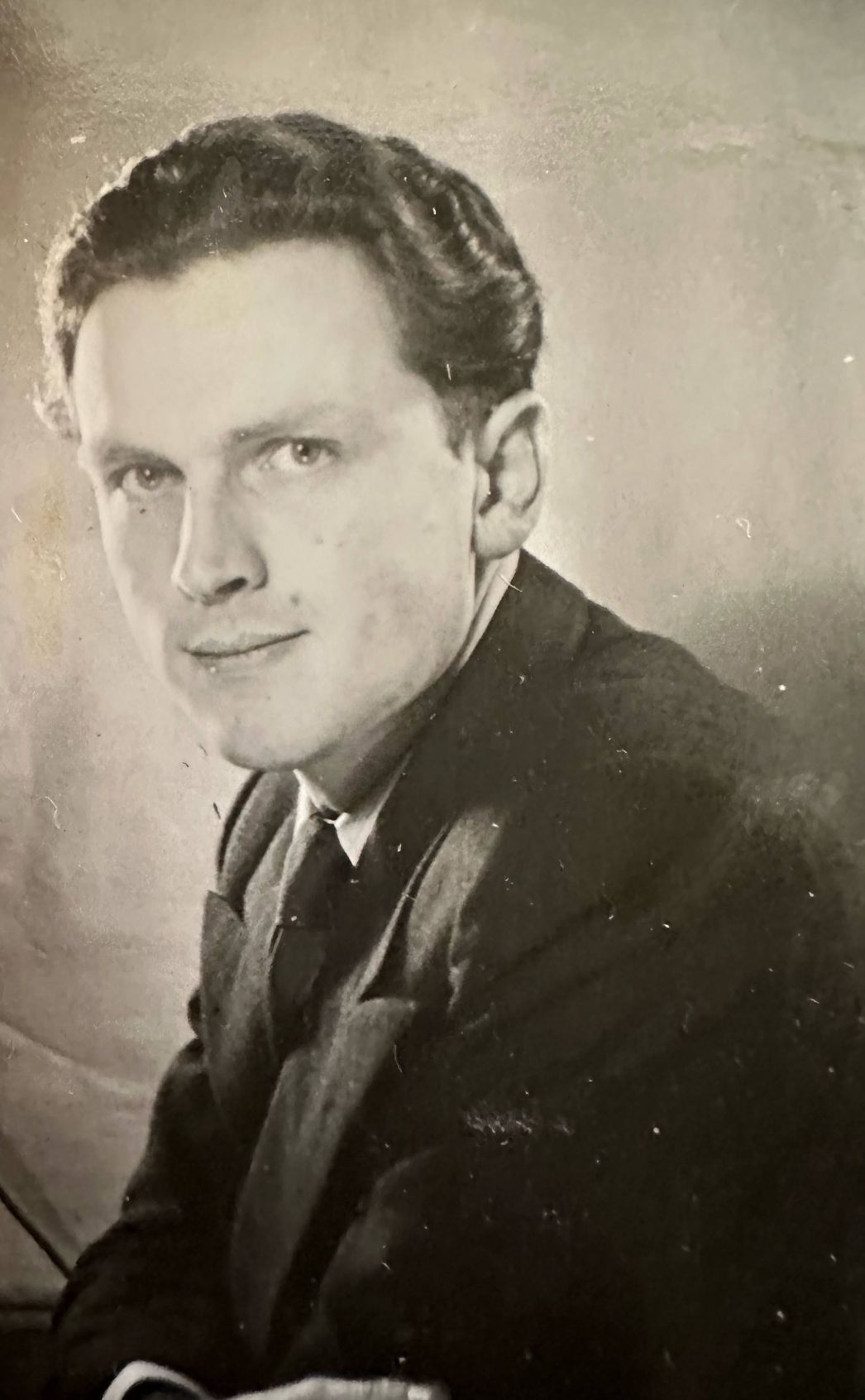
(Beverly Shurman Lavitt)
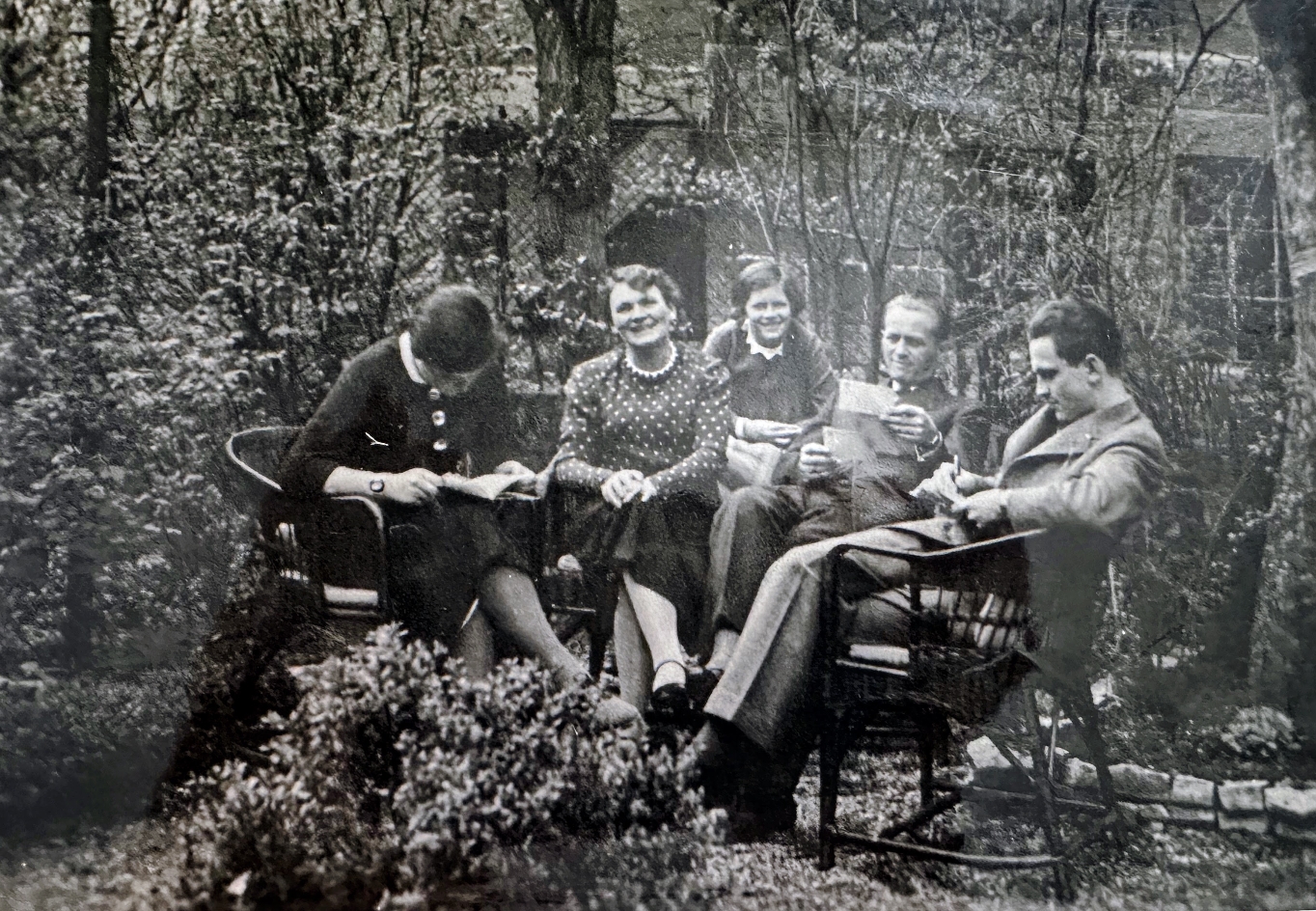
(Beverly Shurman Lavitt)
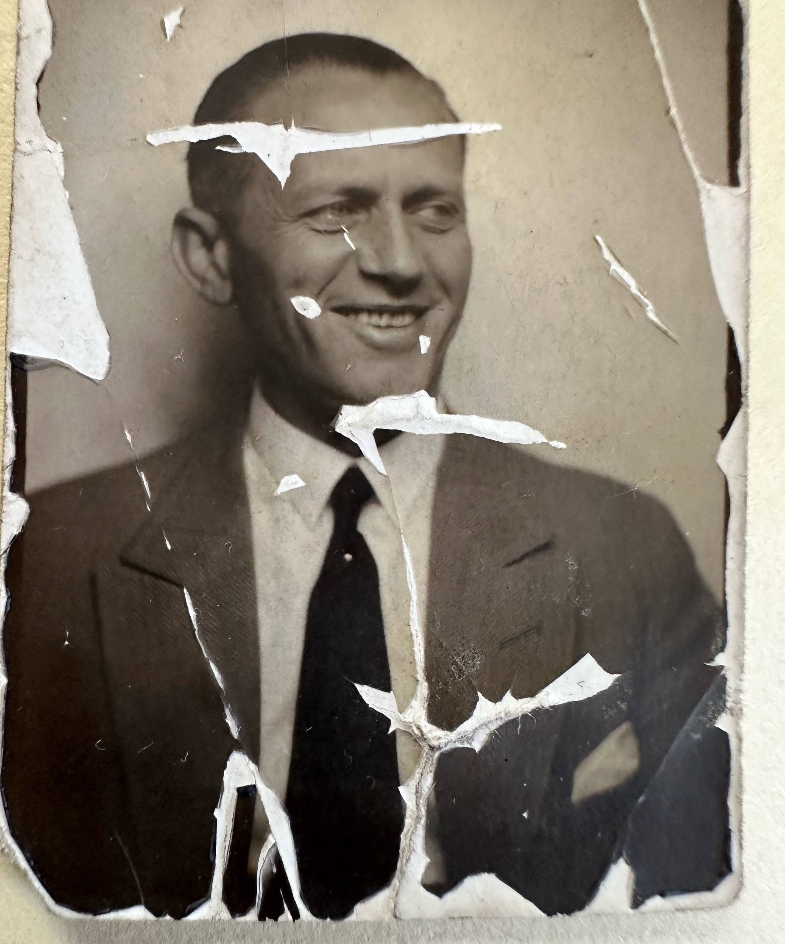
(Beverly Shurman Lavitt)
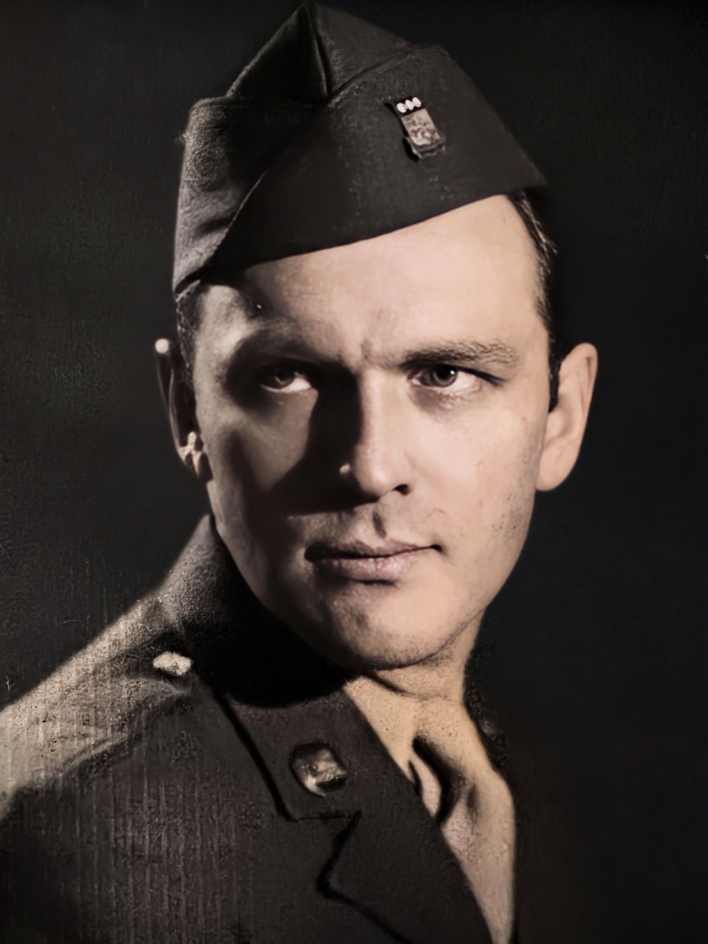
(Beverly Shurman Lavitt)
(Beverly Shurman Lavitt)
Fritz Schürmann wrote his report on the events of November 1938 in reaction to a memorial service held by a rabbi in Kitchener Camp in England on the first anniversary of the November pogroms:
‘Two hours later, the Jewish men of our town are lined up in the prison courtyard, including two men over eighty years old and others suffering from serious illnesses. We stand in two rows, with the same number of policemen facing us.
A command: “Draw your pistols!”
Policemen facing us draw their weapons. The next command: “Unlock!”
The pistols are unlocked, clicked into place and ready to fire. – A senior SS officer explains that that was just a warning. If any of us “steps out of line” during the march through the town, shots will be fired without a second warning.
The procession set off around midday. We were led through the main streets of our town, flanked by the police and the SS.
The population did not react as those in power had hoped. They watched this funeral procession with inner dread […]. We were met with expressions of outrage, and the brave among our fellow citizens showed their disapproval so clearly […] that by the evening of that day, seventy Christian men and women from our town had been put in “protective custody”. […]
We were beaten as we passed through the “great gate” [at Buchenwald]. Beyond the great gate, SS men lined up on each side. Heavy oak truncheons rained down upon us. […] Two seriously injured men who had been unable to protect themselves from the brutes’ blows lay before us: the war-injured lawyer and an eighty-year-old man with broken legs. – I will never forget the sight of the old man pleading with us to help him to his feet, since he would otherwise catch a chill on the cold ground. Blood ran down his face; our hearts bled: we were not allowed to help him. […]
During those weeks, our last shred of faith in human dignity was shattered. – Day after day, we witnessed the raging beast within man. – Three large wooden barracks housed the Jews who had arrived on the first night. – Stacked in five ‘tiers’, we lay crammed tightly together on rough wooden boards. Without straw, without blankets, on a cold November night!”
(Leo Baeck Institute)