
Transcript
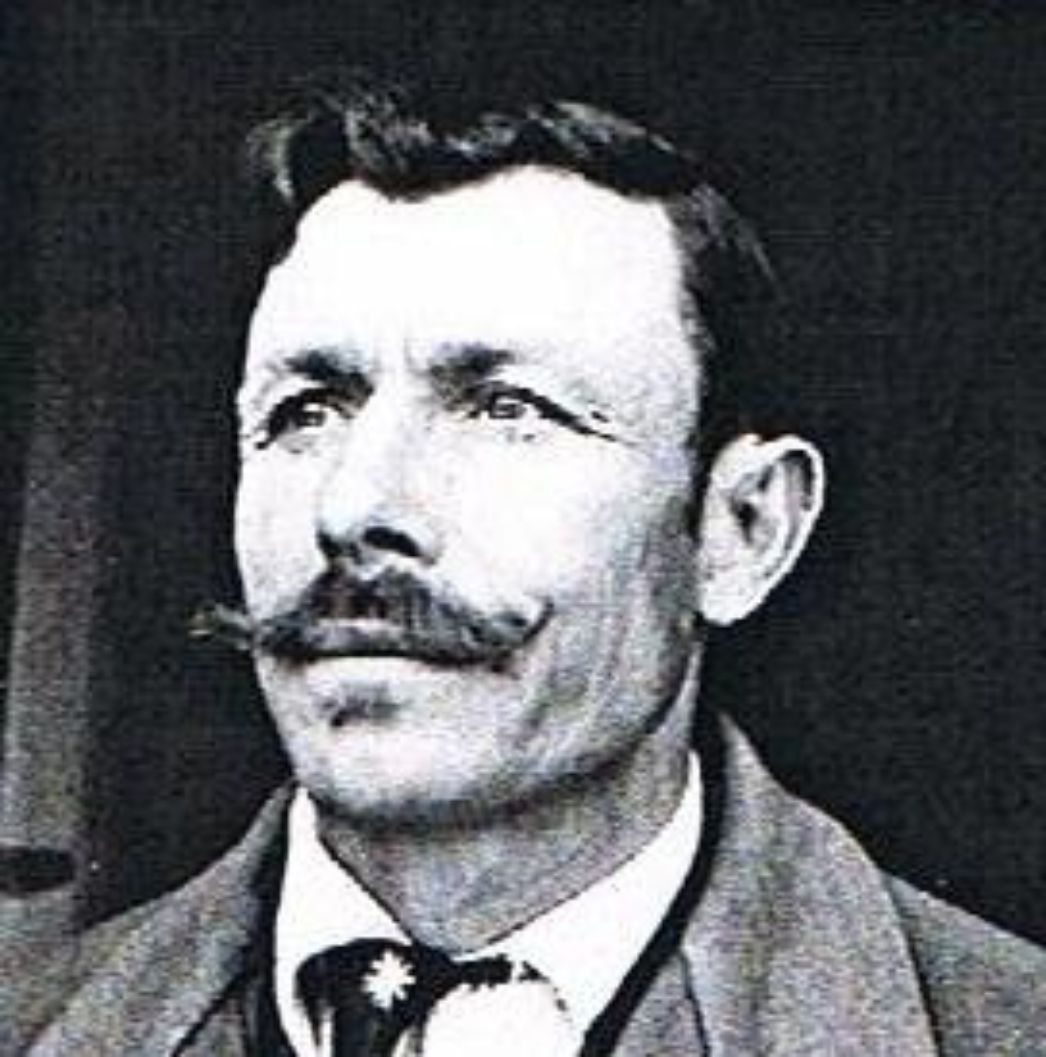
Narrator Frankfurt am Main, June 1938. Theodor Dreschner has been living in the city for nearly a year. However, he is unable to participate in public life. Upon his arrival, he and his family were sent to a forced-resettlement camp for Sinti and Roma.
Dreschner “I looked for an apartment in Frankfurt and found one; but I was denied the right to move into it because all Gypsies had to be removed from the city […] and move to Dieselstraße 40.”
Narrator In this remote area, members of the minority are crammed together under miserable conditions. They are subjected to strict camp regulations; their freedom of movement is restricted—a life in isolation.
Theodor Dreschner’s true home is actually in Baden-Württemberg. That is where he grew up, met his wife, and started a family. As a simple laborer, he struggled to make ends meet for himself and his family. It is a modest, unremarkable life. The move to Frankfurt is meant to improve the family’s situation. But things turn out differently.
Dreschner “On June 14, 1938, 17 or 18 detectives pulled up in a police car and ordered all the men to report to the gate. […] This was at half past six in the morning. They then told me I would now have to work for the German Reich for a few months. We were then taken to police headquarters and the next day […] transported to Buchenwald.”
Narrator Here, Theodor Dreschner is forced to wear the black triangle. He is classified as an “ASR prisoner.” The acronym stands for “Arbeitsscheu Reich” (Work-Shy Reich). That is what the Nazis called the nationwide roundup. It targeted supposed social outcasts: homeless people, beggars, nonconformists. In reality, however, it was also directed against all those for whom there was no place in the new community from the very beginning: Jews, Roma, and Sinti.
More than 4,000 people are deported to Buchenwald as “ASR prisoners” between April and June 1938. At first, they serve as “whipping boys” for the SS, as fellow prisoners recall. Dreschner, too, is severely abused on multiple occasions. He is forced to toil endlessly on camp construction. After two years, he attempts to escape. Unsuccessfully.
Dreschner “As punishment for the escape, I received 52 lashes and 26 months in the penal company at the quarry.”
Narrator Such a sentence is tantamount to a death sentence. The SS kept a close eye on him as a suspected escapee. But Dreschner was able to adapt; he survived the murderous penal company. At the end of 1944, he is transferred to the satellite camp in Bad Langensalza. He finally manages to escape during a death march.
After the war ended, Theodor Dreschner settled in Bavaria. Scarred by his imprisonment, he had to fight once again. Even in the postwar period, people who had worn the black triangle in the camps faced prejudice. They rarely received compensation payments. Theodor Dreschner, too, was denied adequate restitution until his death.